ENVIRONMENTAL SCIENCE · LESSON 7.3
Species Rescue
Follow along with your worksheet, one question at a time.
mrsajdak.com/rescue
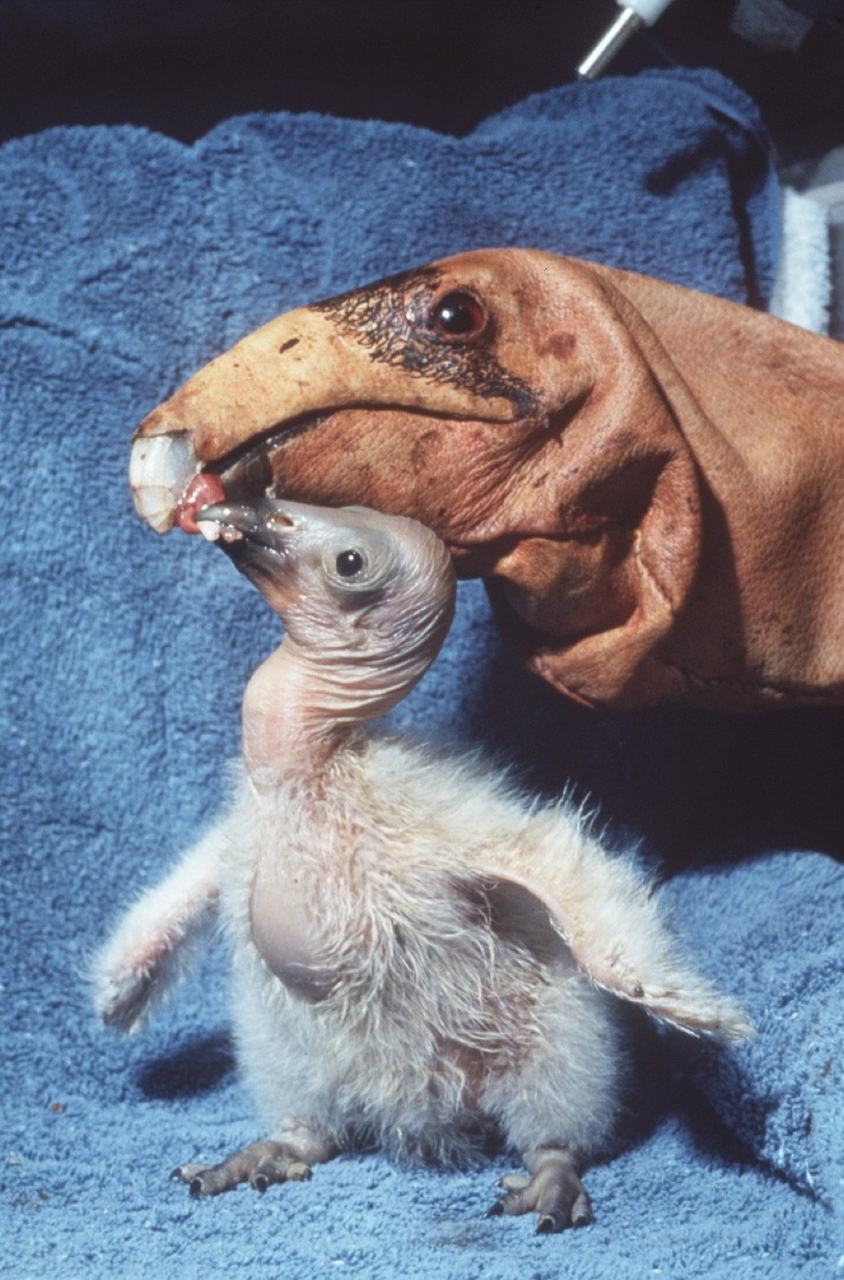
Photo: Ron Garrison, San Diego Zoo, public domain
START HERE · PICK AN OPENER
Choose how to open the lesson
Click a card to jump to it. Every option ends at the same Observe, Wonder, Predict slide and the same driving question.
OPTION A · VIDEO
A Puppet and a Costume
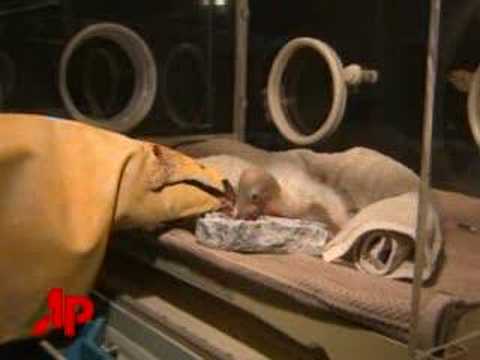
Clip 1 is an AP news clip from the San Diego Zoo: a two-day-old California condor chick is fed with a puppet. Clip 2 is National Geographic: whooping crane chicks raised by people in white crane costumes.
Watch for
Why would a keeper hide behind a puppet or a costume?
What could go wrong if the chick learned to trust people?
These birds were almost gone. What else would people have to do to bring them back?
Videos on YouTube: Associated Press; Nat Geo Animals; ZooBorns.
OPTION B · TRY IT · 4 MINUTES
Ten Coins, Four Species
1
Get ten coins (or paper squares) and a species strip with a partner.
2
Each coin is $1 million. Put your coins on the species you would help.
3
You can split them any way you like. You do not have to use them all.
4
Be ready to say why you chose what you chose.
You need
Ten coins, beans or paper squares per pair
One strip per pair: whooping crane, California condor, Great Lakes piping plover, a rare wildflower (Pitcher's thistle, a Great Lakes dune plant)
Watch for
Did every pair spend the same way?
What did pairs base their choice on: how rare it is, how cute, how cheap, how much it helps other life?
Did anyone give money to the plant?
OPTION C · PHOTOS
Phenomenon: Raised by Hand
Photos: Ron Garrison, San Diego Zoo, public domain · U.S. Fish and Wildlife Service, public domain
START HERE
Observe, wonder, predict
In 1987, there were only 27 California condors left on Earth. Every one of them was in a zoo.
OBSERVEWhat is feeding the chick in Photo A? What are the cranes in Photo B following?
WONDERWhy would people hide from a bird they are trying to save?
PREDICTHow many condors do you think there are now? What would people have to do to get there?
Photo A. A condor chick and a puppet.
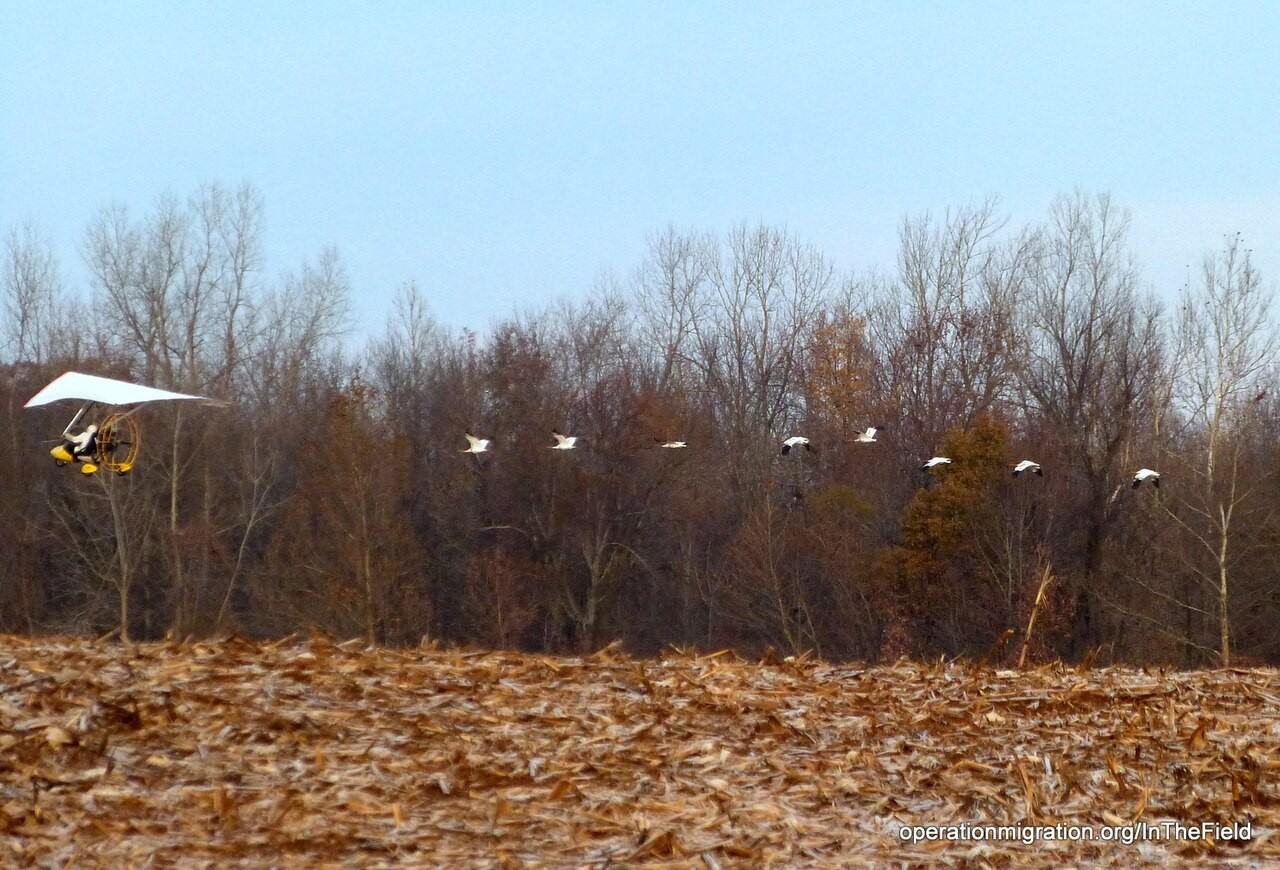
Photo B. Cranes and a small plane.
Photos: Ron Garrison, San Diego Zoo, public domain · U.S. Fish and Wildlife Service, public domain
DRIVING QUESTION
How do people bring a species back, and how do we choose the best way?
START HERE
What Happened Here?
Finished observing? Click here to find out.
A chick learns who its parents are from the first faces it sees. A condor or crane raised by a human face learns to trust people, and in the wild it lands near towns, roads and power lines. So keepers hide behind a puppet or a costume, and the bird grows up afraid of people.
Watched the video or tried it? Click here.
Raising birds by hand is one tool. Laws, treaties, protected land and seed banks are others. Each costs money, and no one has enough money to save every species the same way. So people have to choose.
Today, you will read the real counts for three birds that almost disappeared. You will test four rescue plans for a Great Lakes bird in a model. Then you will rank what matters most and pick a plan.
BEFORE YOU START
What you will learn
I can
name the tools people use to save wild species, and say what each one does.
I can
use a model to test rescue plans and tell a stable population from a changing one.
I can
rank criteria and use them to pick the best plan, and say what it trades away.
BEFORE YOU START
Get set up
1
Do the Do Now at the top of your sheet.
2
Open mrsajdak.com/rescue.
3
Keep your pencil and your sheet beside you.
4
Everything you pick goes in a log. Copy from the log.
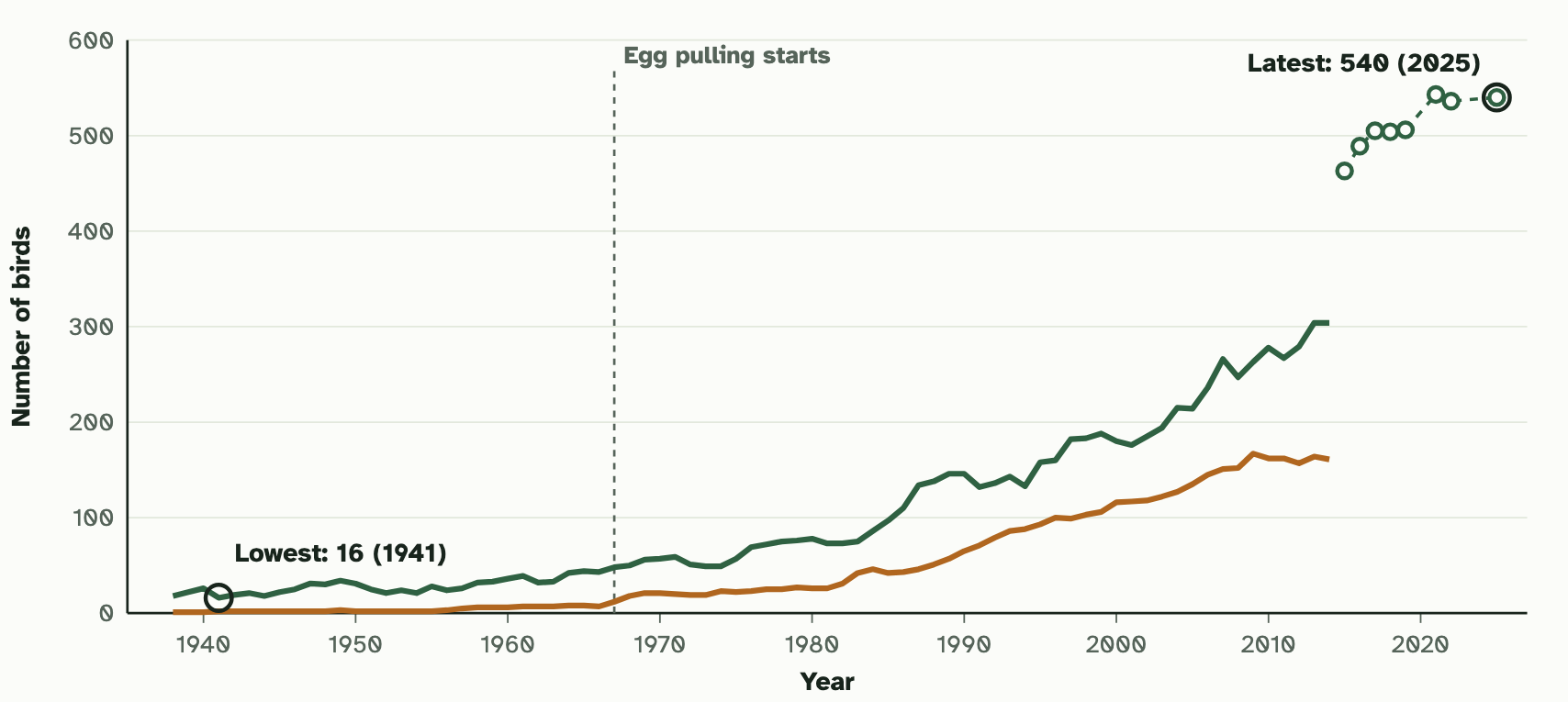
Screenshot: mrsajdak.com/rescue, Tab 1
TAB 1 · QUESTIONS 1 TO 6
Part 1. Comebacks
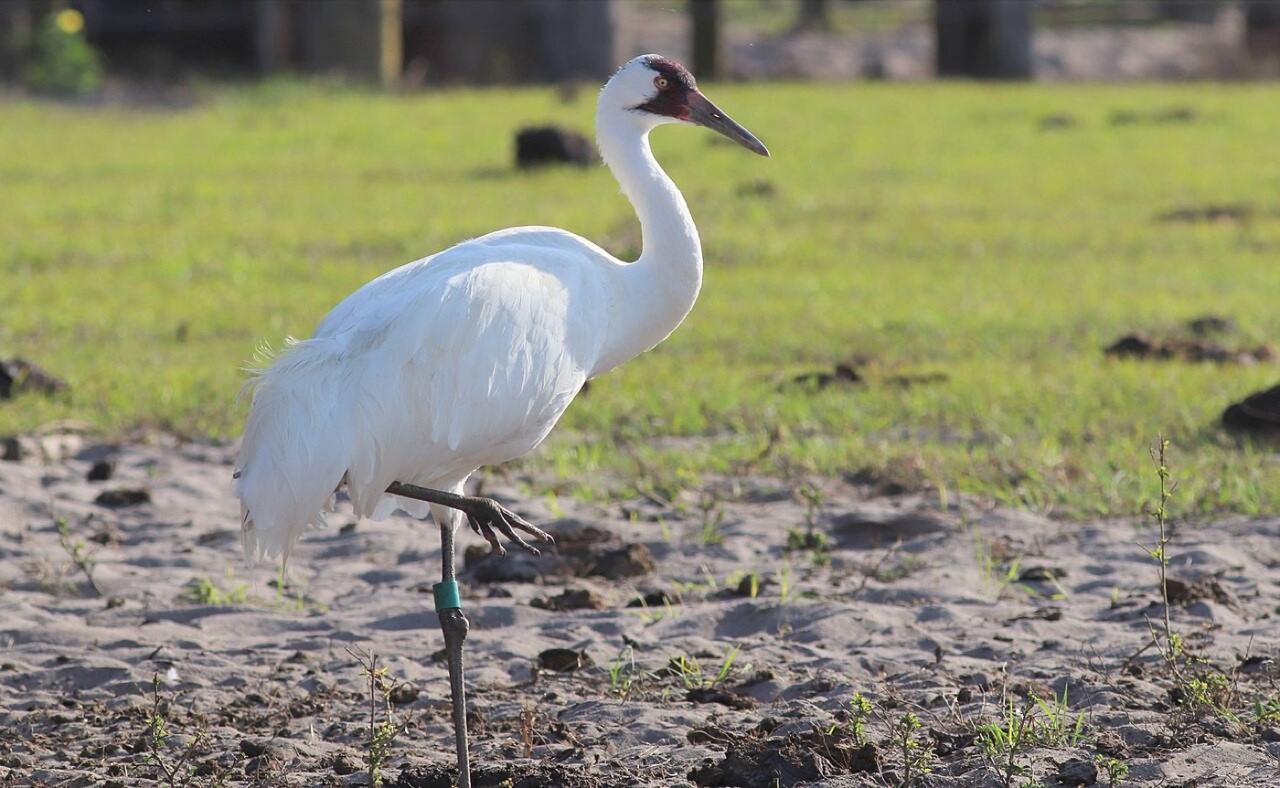
In 1941, only 16 wild whooping cranes were left.
What did people do to bring them back?
Photo: gary_leavens, CC BY-SA 2.0
PART 1 · QUESTIONS 1 TO 3
Three comebacks
1
Pick a bird.
2
Find its lowest count and its latest count.
3
Read What people did.
4
Do all three birds.
PART 1 · LEARN IT · 1 OF 5
Laws protect species
The Endangered Species Act (ESA) became U.S. law in 1973. It lists species in danger. It makes it illegal to hunt, harm or sell them.
Each listed species gets a recovery plan. The goal is to take it off the list.
The bald eagle came back: 417 nesting pairs in 1963, and 9,789 pairs in 2006. It came off the list in 2007.
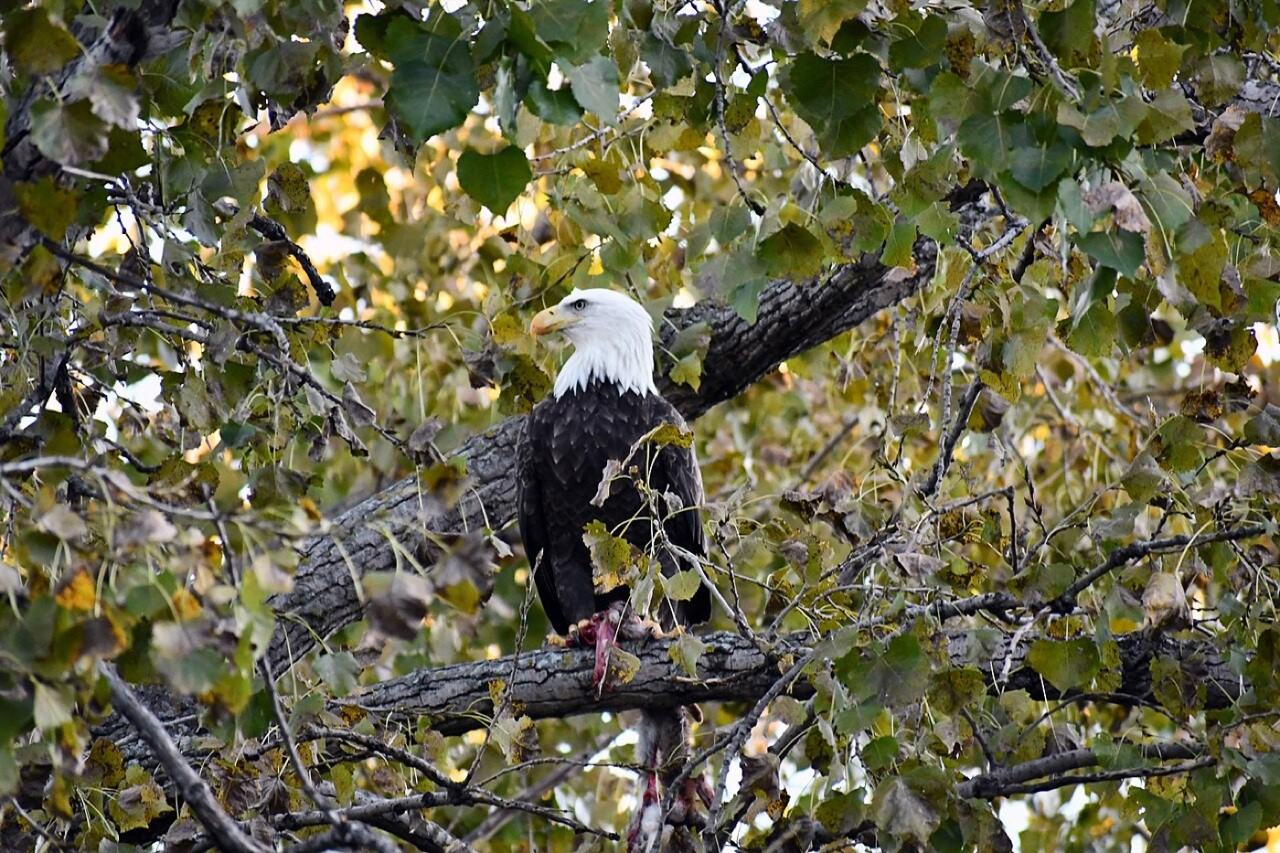
Photo: U.S. Fish and Wildlife Service, public domain
PART 1 · LEARN IT · 2 OF 5
Treaties cross borders
Animals and their parts are sold across borders. One country's law cannot stop that.
CITES is a treaty signed by 183 countries. It bans trade in endangered species and things made from them, like ivory.
The CBD is signed by 196 countries. It protects whole ecosystems, not one species at a time. The U.S. has not joined.
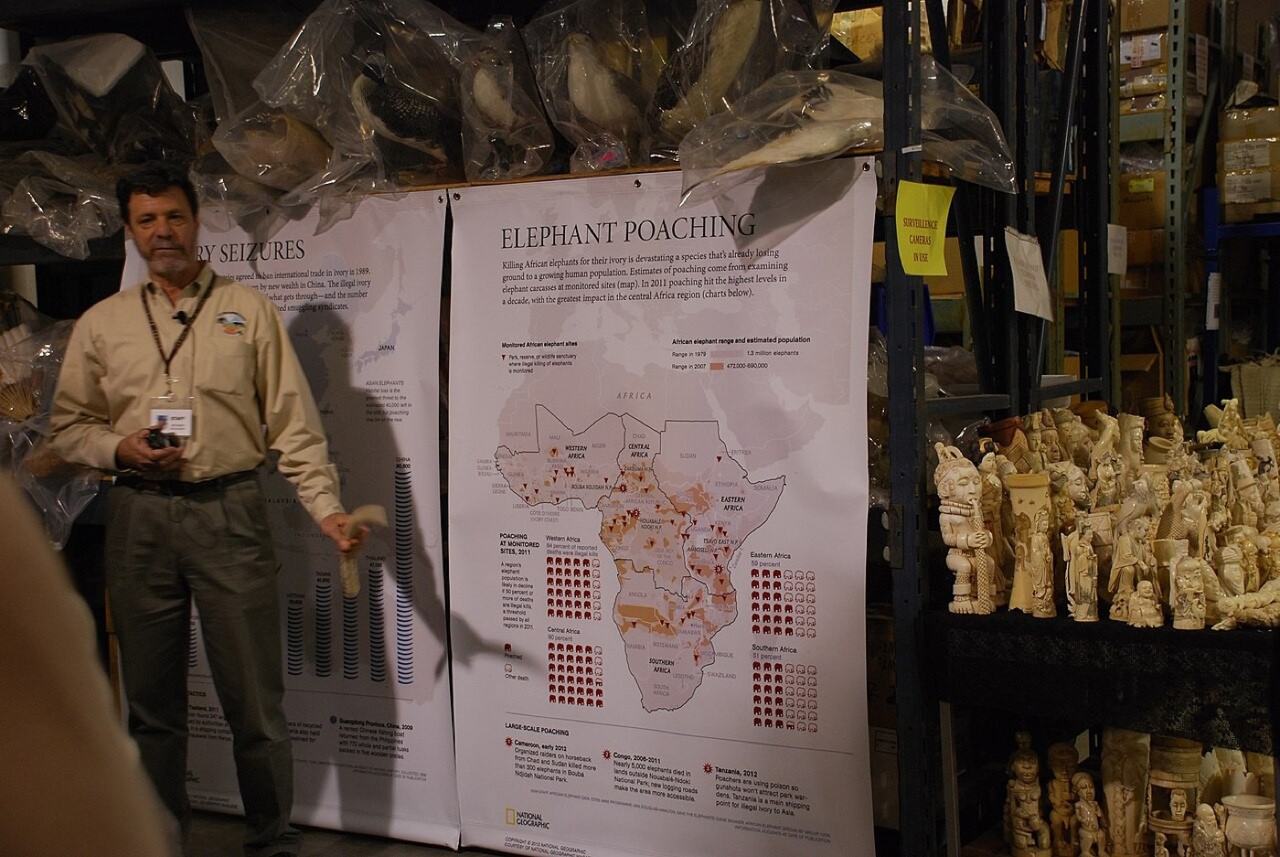
Photo: USFWS Mountain-Prairie, public domain
PART 1 · LEARN IT · 3 OF 5
Protect the land
The best way to protect a species is to protect the place it lives.
A wildlife refuge is land set aside for wild animals. The U.S. has 567 of them.
Every wild whooping crane spends the winter at Aransas National Wildlife Refuge in Texas. It became a refuge in 1937.
Photo: gary_leavens, CC BY-SA 2.0
PART 1 · LEARN IT · 4 OF 5
Save the plants
A seed bank keeps seeds cold and dry so they can grow years later. The Svalbard Global Seed Vault is dug into a frozen mountain in the Arctic.
A botanical garden grows living plants. The world's 1,800 botanical gardens hold almost one-third of known plant species.
An arboretum does the same job for trees and shrubs.
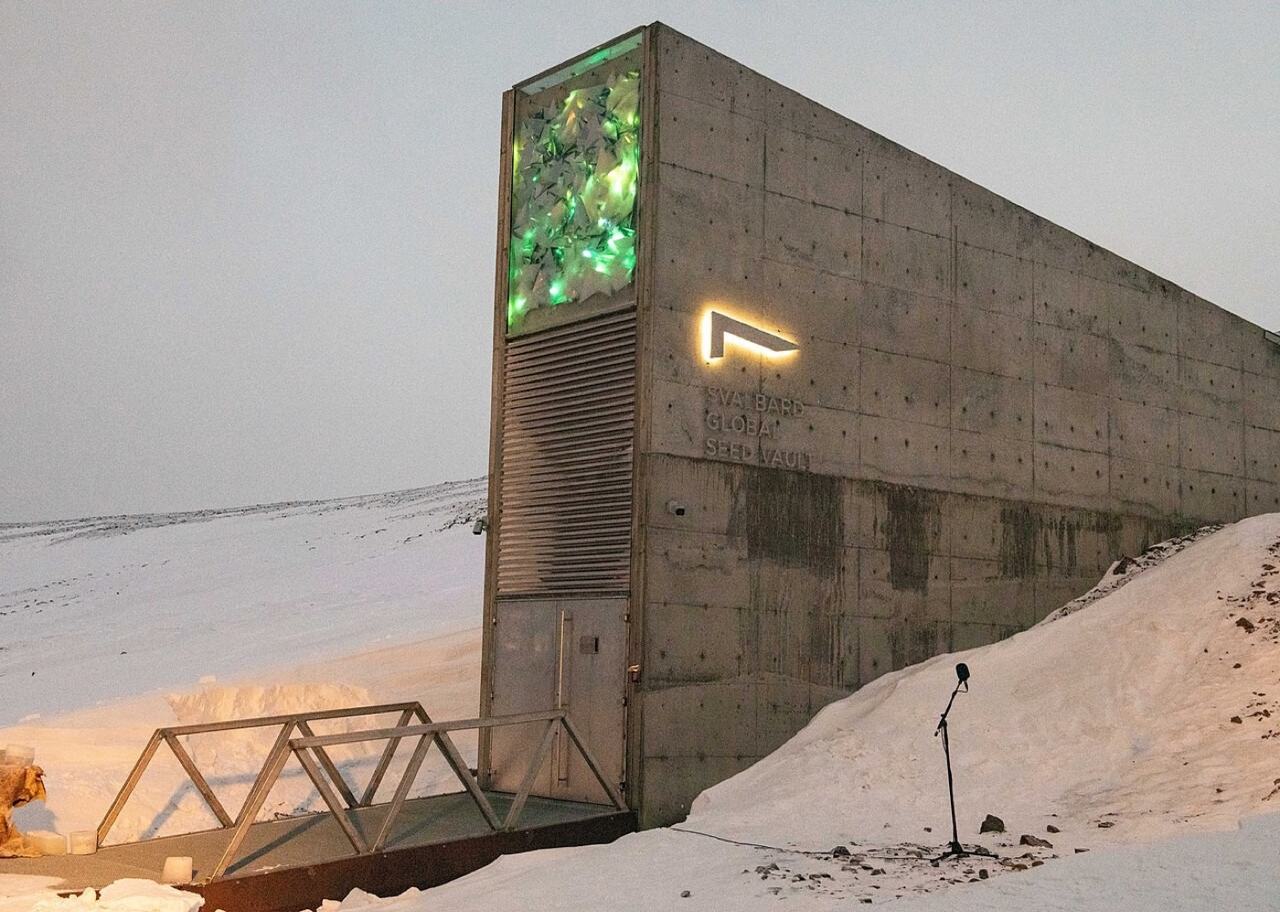
Photo: Cierra Martin for Crop Trust, CC BY-SA 2.0
PART 1 · LEARN IT · 5 OF 5
Save the animals
Egg pulling: a whooping crane lays two eggs, but usually only one chick lives. From 1967, scientists took one egg from wild nests and hatched it in captivity.
Captive breeding: in 1987, all 27 California condors left were caught and bred in zoos. Their young have been released since 1992.
The limits: it costs a lot, it needs 100 to 500 animals, and the released animals need safe habitat. Lead poisoning still kills wild condors.
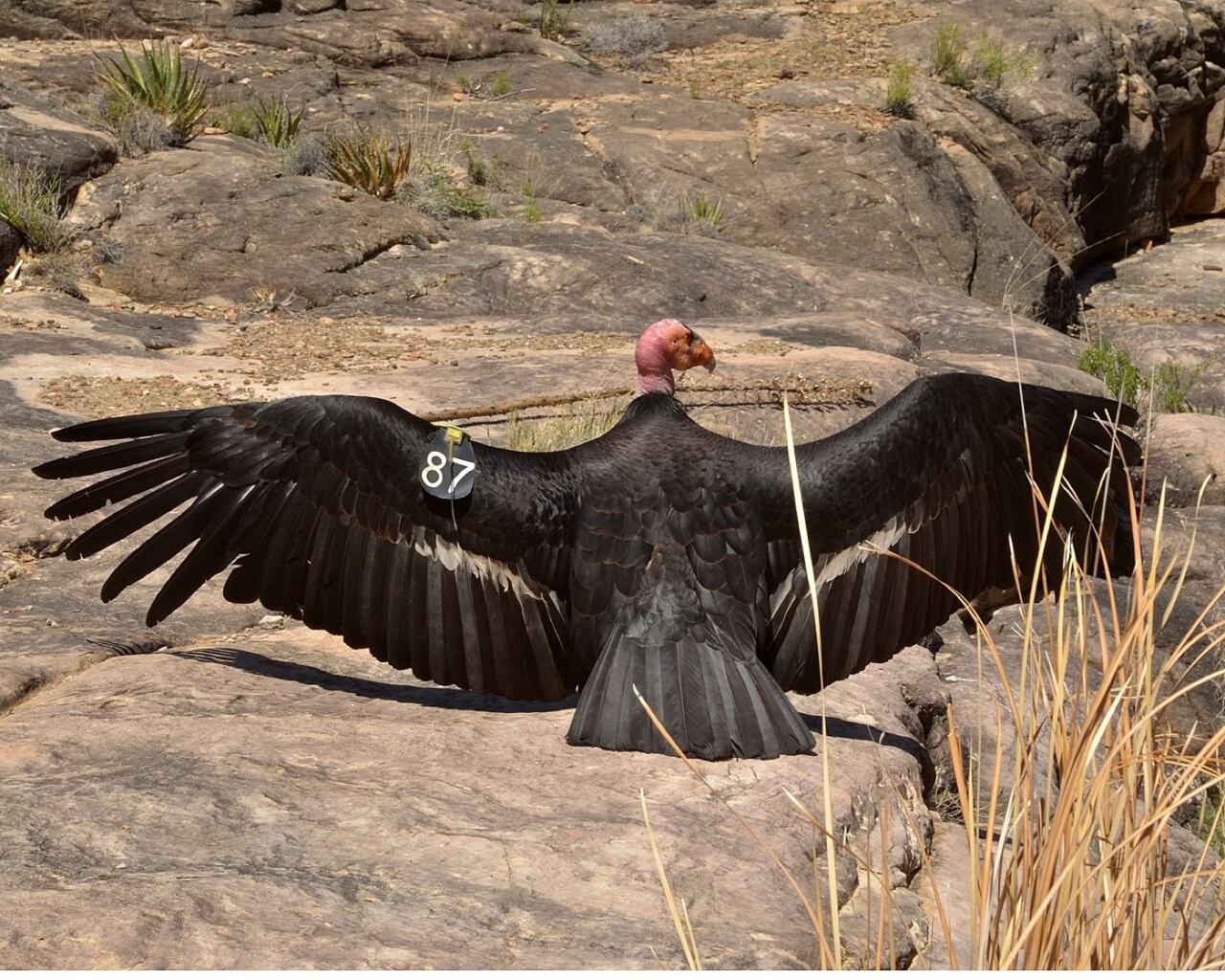
Photo: Grand Canyon National Park, CC BY 2.0
PART 1 · QUESTIONS 4 TO 6
The rescue toolkit
QUESTION 4
5 of 6
Name the tool
Five rescues, six tools.
One tool is extra.
QUESTION 5
Limits
Breeding is not enough
What still kills condors
after they are released?
QUESTION 6
2 tools
One bird, two tools
Every comeback
used more than one.
TAB 2 · QUESTIONS 7 TO 12
Part 2. Test the tools
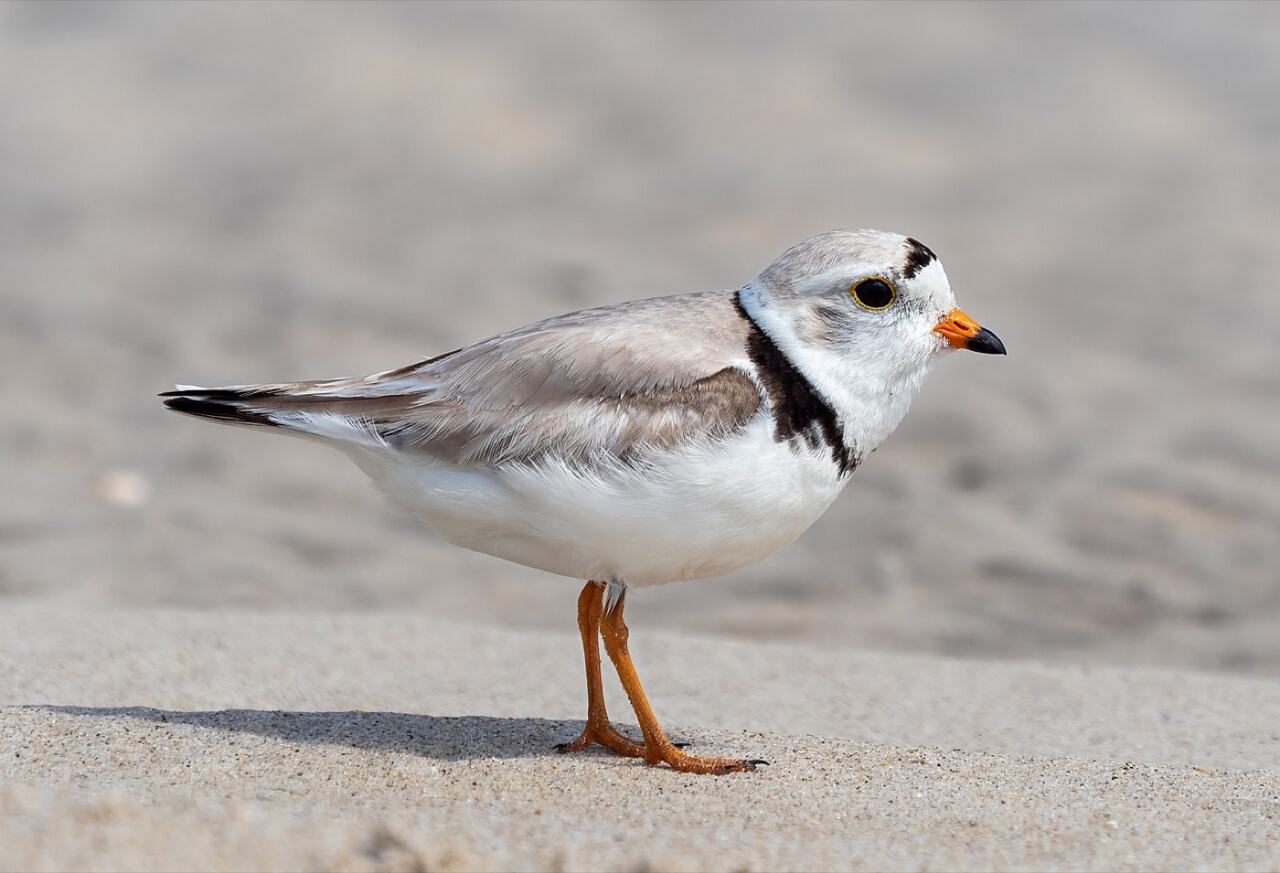
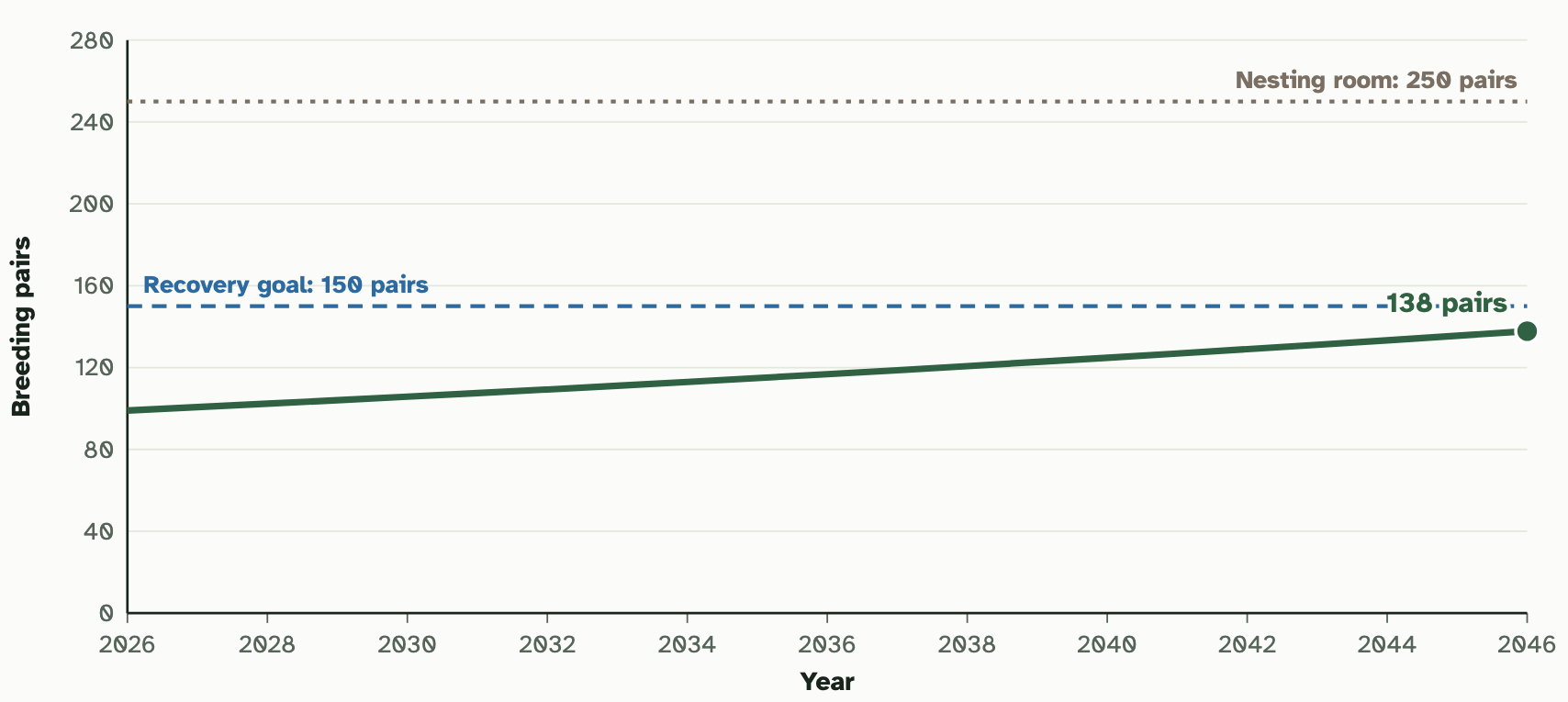
This is a Great Lakes piping plover. In 2026, 99 pairs nested.
The goal is 150. You have $1 million a year.
Photo: Rhododendrites, CC BY-SA 4.0
PART 2 · QUESTIONS 7 TO 9
Run four plans
1
Press A. Press Run 20 years.
2
Watch the line and the nesting room.
3
Do Plans B, C and D.
4
Copy each run into Question 7.
PART 2 · LEARN IT · 1 OF 3
Stable or changing?
A population is stable when births balance deaths. It changes when one is bigger than the other.
In Plan A, adults die faster than chicks replace them. The plover shrinks, year after year.
A rescue plan works by tipping the balance: more chicks live, or more young birds are added.
Photo: Rhododendrites, CC BY-SA 4.0
PART 2 · LEARN IT · 2 OF 3
What each tool changes
Fencing nests keeps foxes, gulls and dogs off the eggs. Chicks per pair go from 0.7 to 1.4.
Protecting beaches keeps people off nesting areas. It adds a few chicks, and it makes room for more nests. It also protects other beach life.
Rearing salvaged eggs hatches eggs from nests that were abandoned or about to wash away. It adds 24 young birds a year.
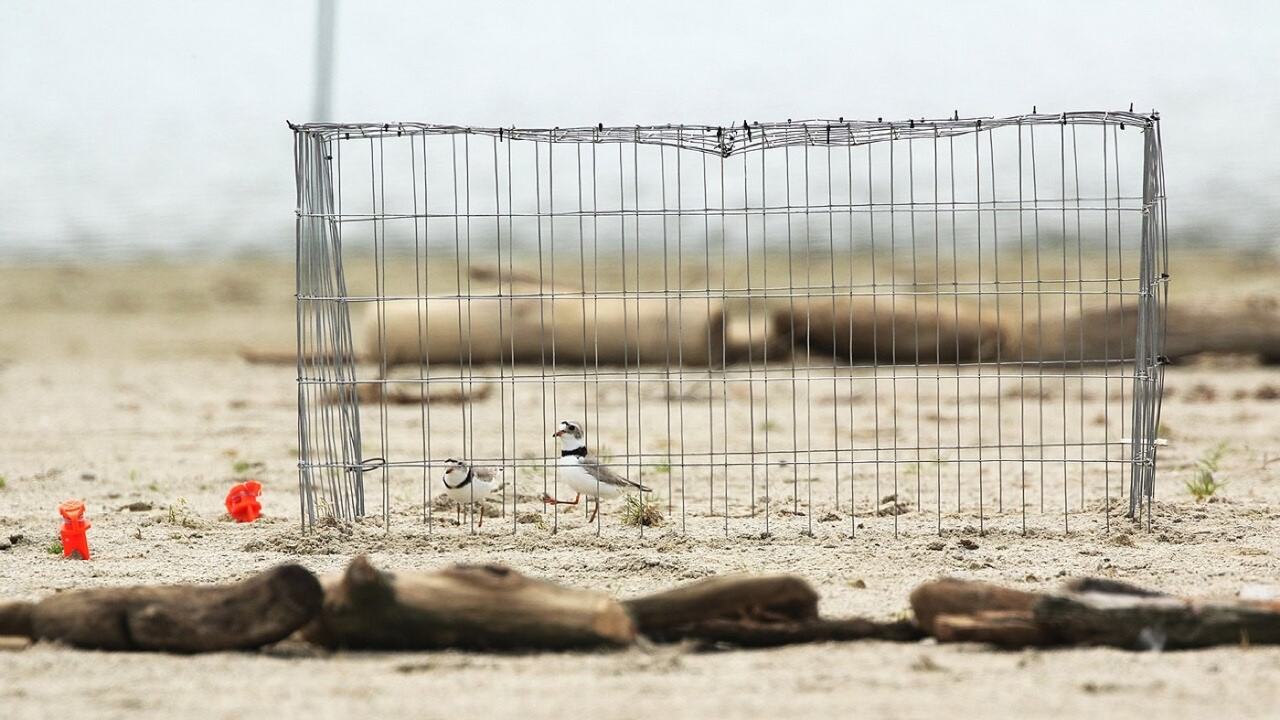
Photo: U.S. Fish and Wildlife Service, public domain
PART 2 · LEARN IT · 3 OF 3
Room sets a ceiling
A plover needs open sand near the water to nest. Without protected beaches, the model has room for only about 110 pairs.
That limit is the carrying capacity. Plan D added zoo birds every year, but it stopped at 110 pairs.
To go higher, a plan has to make more room, not just more birds.
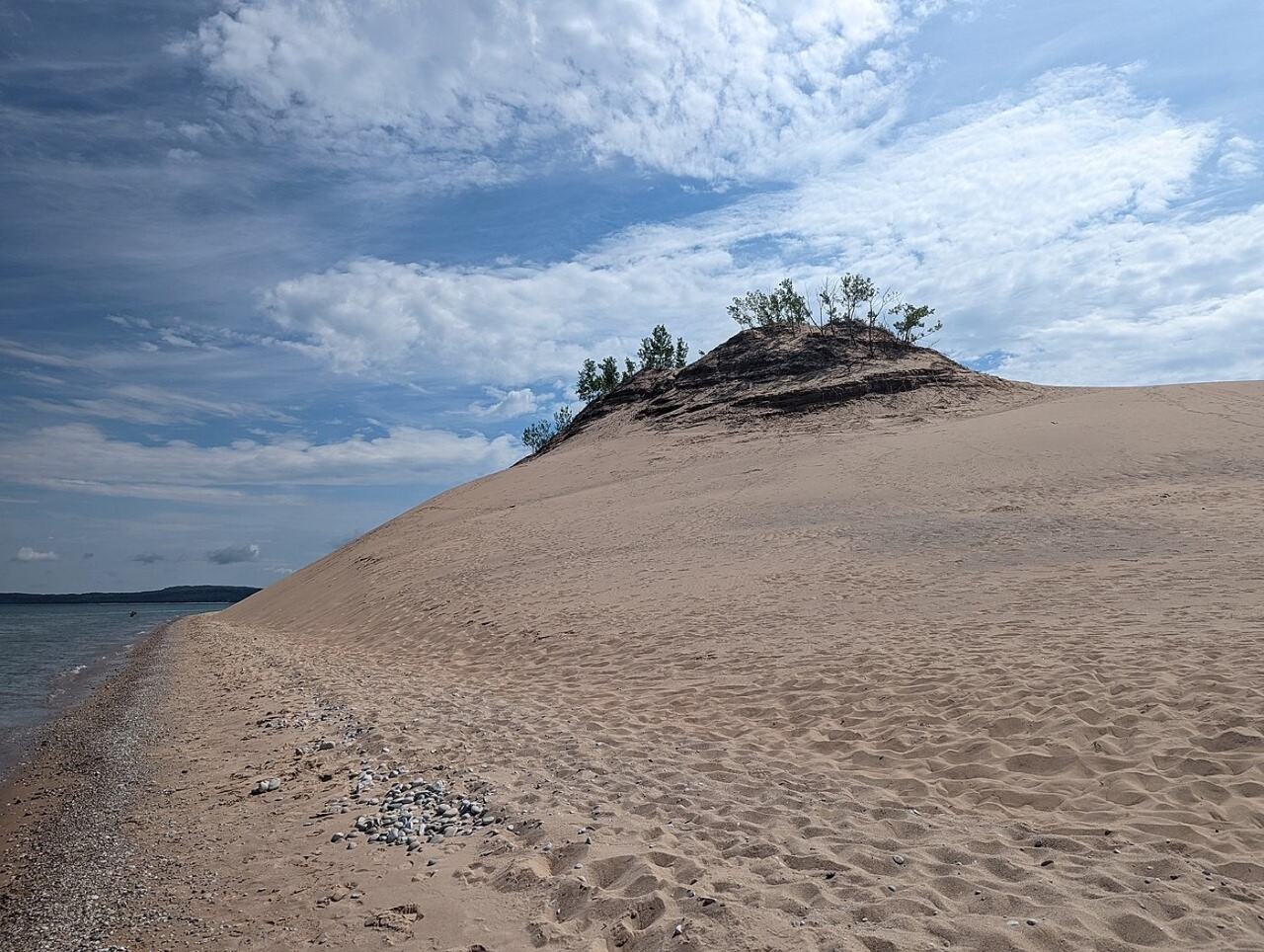
Photo: MSwierenga, CC BY-SA 4.0
PART 2 · QUESTION 10
Births minus deaths
1
Find the births in the wild.
2
Find the deaths.
3
Subtract: births minus deaths.
4
Negative means it shrinks on its own.
Example
A pond has 20 frogs hatch and 26 die.
20 − 26
= −6, it shrinks
These are not your numbers. Use your own.
Screenshot: mrsajdak.com/rescue, Tab 2
PART 2 · QUESTIONS 10 TO 12
Stable or changing?
QUESTION 10
−
Real condors, 2024
Births minus deaths.
Stable on its own?
QUESTION 11
Model
Model check
What does each part stand for?
What does it leave out?
QUESTION 12
$
Cost per pair
20 years of Plan C.
Divide by pairs added.
TAB 3 · QUESTIONS 13 TO 18
Part 3. Weigh the plans
People use this beach too.
Which plan is best? It depends on what matters most.
Photo: MSwierenga, CC BY-SA 4.0
PART 3 · QUESTIONS 13 AND 14
Two rankings, two winners
1
Press Ranking 1.
2
Copy the totals into Question 13.
3
Press Ranking 2 and copy again.
4
Circle each winner.
PART 3 · LEARN IT · 1 OF 4
Money and people are limited
No country has enough money or people to save every species the same way. Scientists have to choose.
Save one species, or the whole ecosystem? The most threatened species, or a keystone species? A cute species people will pay to save?
There is no one right answer. A good choice is one you can explain with criteria.
Photo: gary_leavens, CC BY-SA 2.0
PART 3 · LEARN IT · 2 OF 4
How a decision matrix works
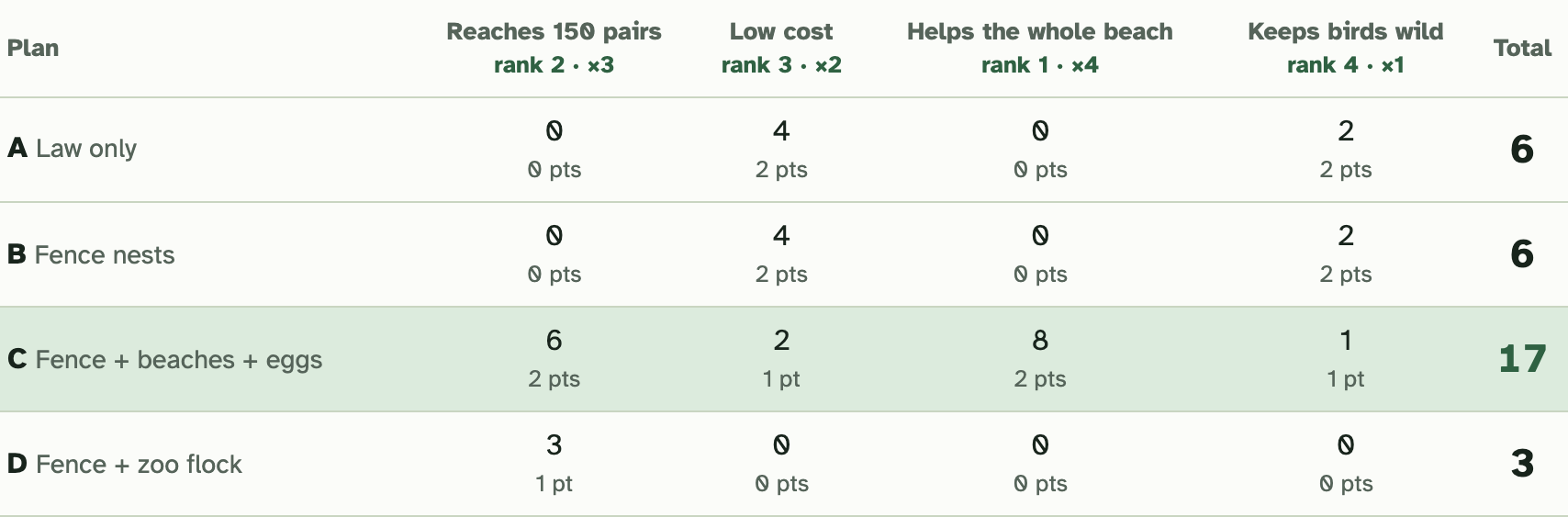
First, prioritize the criteria. Your rank 1 counts four times. Your rank 4 counts once.
Give each plan 0, 1 or 2 points on each criterion. Multiply by the weight. Add across.
With Ranking 1, Plan C won. With Ranking 2, Plans A and B tied for the top. Same plans, different order, different winner.
Photo: Rhododendrites, CC BY-SA 4.0
PART 3 · LEARN IT · 3 OF 4
Must-haves and trade-offs
A constraint is a must-have. The ESA's goal is recovery, so a plan that lets a species shrink breaks it, whatever its score.
Every plan gives something up. Plan C costs the most money we have. Some of its birds are raised by people. That is its trade-off.
A good argument names the trade-off out loud.
Photo: U.S. Fish and Wildlife Service, public domain
PART 3 · LEARN IT · 4 OF 4
People are part of the plan
Krithi Karanth is a scientist in India. Families near tiger parks lose crops and farm animals to wild animals.
Her team helps those families get paid back by the government. When neighbors are not hurt by wildlife, they are more willing to protect it.
So what people need can be a criterion too. A beach town that loses summer business may fight a beach closure.
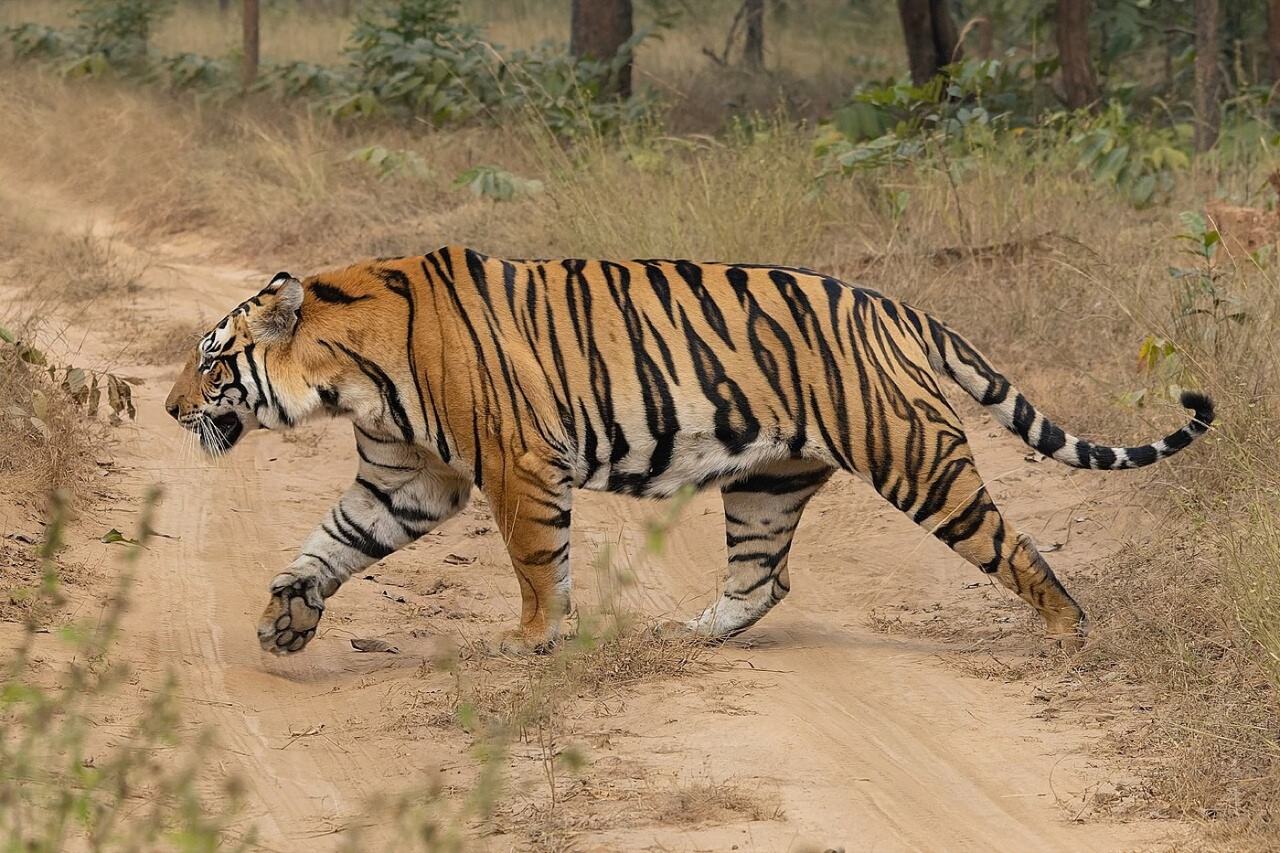
Photo: Tisha Mukherjee, CC BY-SA 4.0
PART 3 · QUESTION 13
How to score a plan
1
Points for each criterion: 0, 1 or 2.
2
Multiply by that criterion's weight.
3
Add across the row.
Example
A phone gets 2 points for price (×4)
and 1 point for camera (×3).
8 + 3
= 11
These are not your numbers. Use your own.
Screenshot: mrsajdak.com/rescue, Tab 3
PART 3 · QUESTIONS 15 TO 17
Criteria, constraints, trade-offs
QUESTION 15
3 words
Fill in the word
Must-have, the list,
or what you give up?
QUESTION 16
Must
Tick the Must-have
Which plan wins now?
Why are A and B out?
QUESTION 17
+1
One species or all?
Which criterion is about the ecosystem?
Add one more.
WRAP IT UP · QUESTION 18
Fund one plan
You have $1 million a year to save the Great Lakes piping plover. Which plan do you fund?
1. Make a claim.
2. Use two numbers from the lab.
3. Name your top criterion.
4. Name one trade-off of your plan.
Photo: U.S. Fish and Wildlife Service, public domain
WRAP IT UP · BACK TO THE START
Revisiting the Phenomenon
How do people bring a species back, and how do we choose the best way?
EVIDENCE
The counts
Which bird came back the most? What did people do?
EVIDENCE
The model
Which plans let the plover grow? What stopped Plan D?
EVIDENCE
The matrix
Why did the winner change when the ranking changed?
Back to the puppet: why does it matter that a released condor is afraid of people? Which criterion from Part 3 is that about?
Hand in your worksheet.
Check your name, date and period.