ENVIRONMENTAL SCIENCE · CHAPTER 6 CASE STUDY
Chalk, Coral, and an Acid Ocean
Follow along with your worksheet, one question at a time.
mrsajdak.com/acidocean
Photo: Diego Delso, CC BY-SA 4.0
START HERE · PICK AN OPENER
Choose how to open the lesson
Click a card to jump to it. Every option ends at the same Observe, Wonder, Predict slide and the same driving question.
OPTION A · VIDEO
A Coral Grows
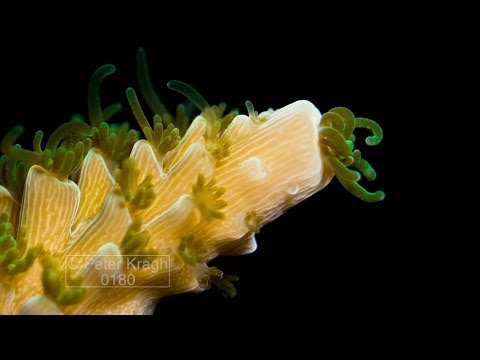
Clip 1 is a staghorn coral in an aquarium, filmed for weeks and sped up into 42 seconds. Clip 2 is a close-up of corals at night, sped up.
Watch for
Is a coral a rock, a plant or an animal? What makes you think so?
Watch the tips of the branches. What is changing?
What is the coral building with?
Videos on YouTube: Peter Kragh; Meerwasser Aquaristik Kanal.
OPTION B · TRY IT · 4 MINUTES
Breath Makes Acid
1
Put about 100 mL of water in a clear cup. Add 3 to 5 drops of bromothymol blue (BTB). It turns blue.
2
One student, goggles on, blows OUT gently through a straw into the water. Never sip.
3
Keep blowing for about 2 minutes. Call out the color at 1 minute and at 2 minutes.
4
Hold the cup up next to a cup of plain BTB water.
You need
Bromothymol blue (BTB) indicator
Two clear cups of water
A straw for each student who blows
Goggles
Watch for
Blue turns green, then yellow.
Nothing was poured in. What went into the water?
The ocean is under air full of CO2 too.
OPTION C · PHOTOS
Phenomenon: One Shell, 45 Days
Photos: NOAA Environmental Visualization Laboratory, public domain
START HERE
Observe, wonder, predict
Coral skeletons and sea shells are made of calcium carbonate, the same mineral as chalk. The ocean is soaking up CO2 from the air. Something is changing in the water.
OBSERVEWhat did you notice about the shell, or the coral, or the cup of water?
WONDERWhat do you wonder about the water these animals live in?
PREDICTIf seawater soaks up more CO2, what will happen to a coral skeleton? Explain your reasoning.
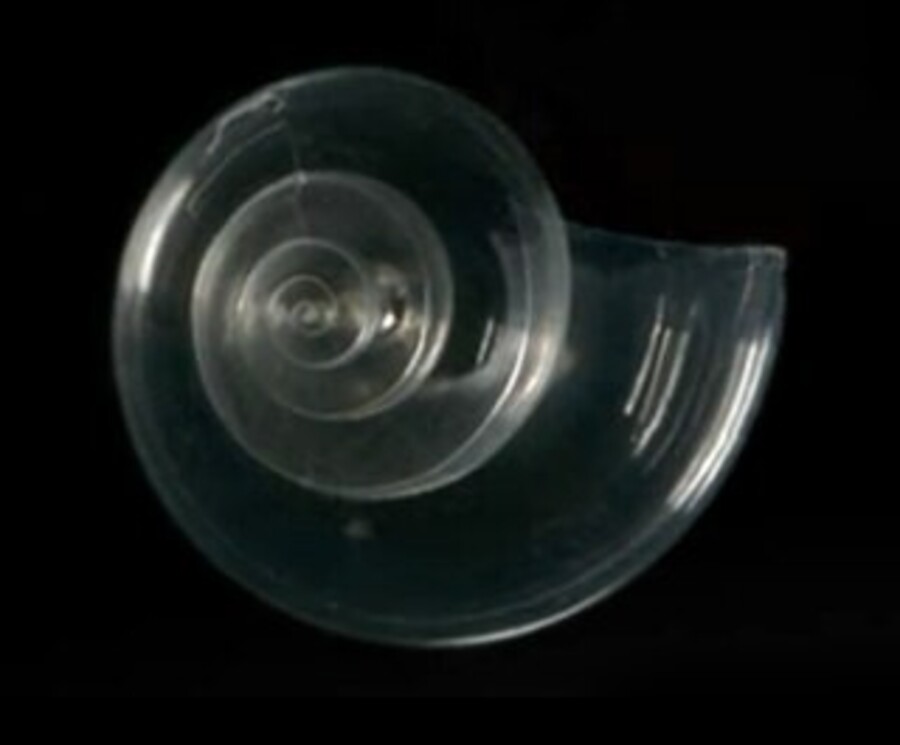
Photo A: the shell at the start.
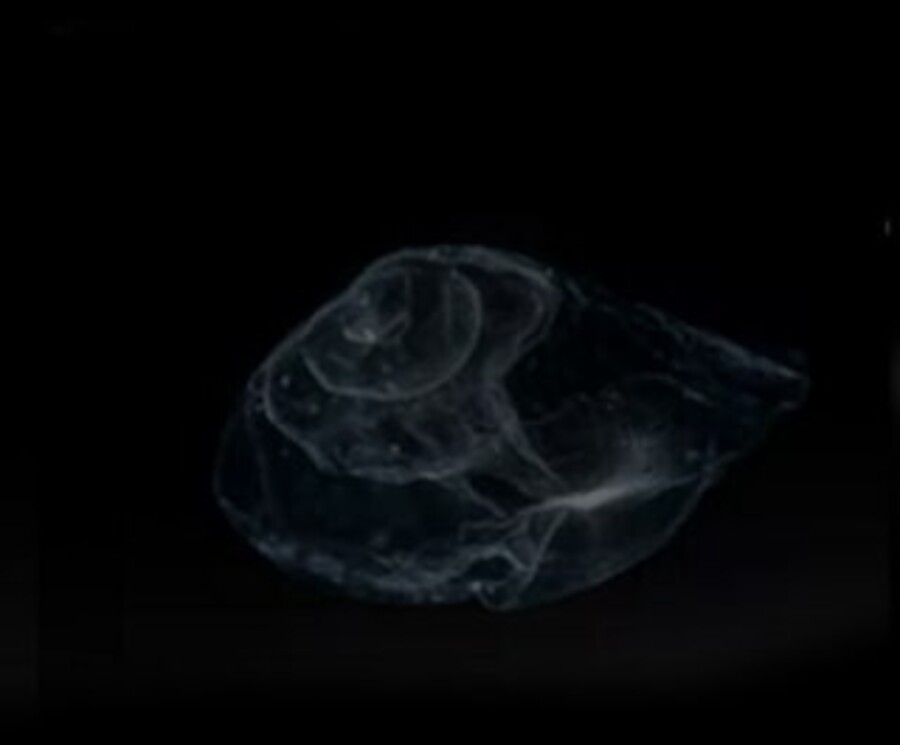
Photo B: the same shell, 45 days later.
Photos: NOAA Environmental Visualization Laboratory, public domain
DRIVING QUESTION
Can a more acidic ocean hurt a coral reef?
START HERE
What Happened Here?
Finished observing the shell? Click here to find out.
The shell belongs to a pteropod, a sea snail smaller than a pea. Scientists kept it in seawater made as acidic as the ocean could be by the year 2100. After 45 days, its shell was cloudy, thin and full of holes.
Watched the coral or the blue cup? Click here.
The coral in the video is an animal. Its branch tips grow as the animals build skeleton. In the cup, the CO2 in a breath turned blue water yellow: the water became more acidic.
Today, you will soak chalk in vinegar, seltzer and seawater as a fair test. You will read 35 years of real ocean data from near Hawaii. Then you will ask your own question about coral and test it in a model. At the end, you will return to the driving question.
BEFORE YOU START
Words for this lab
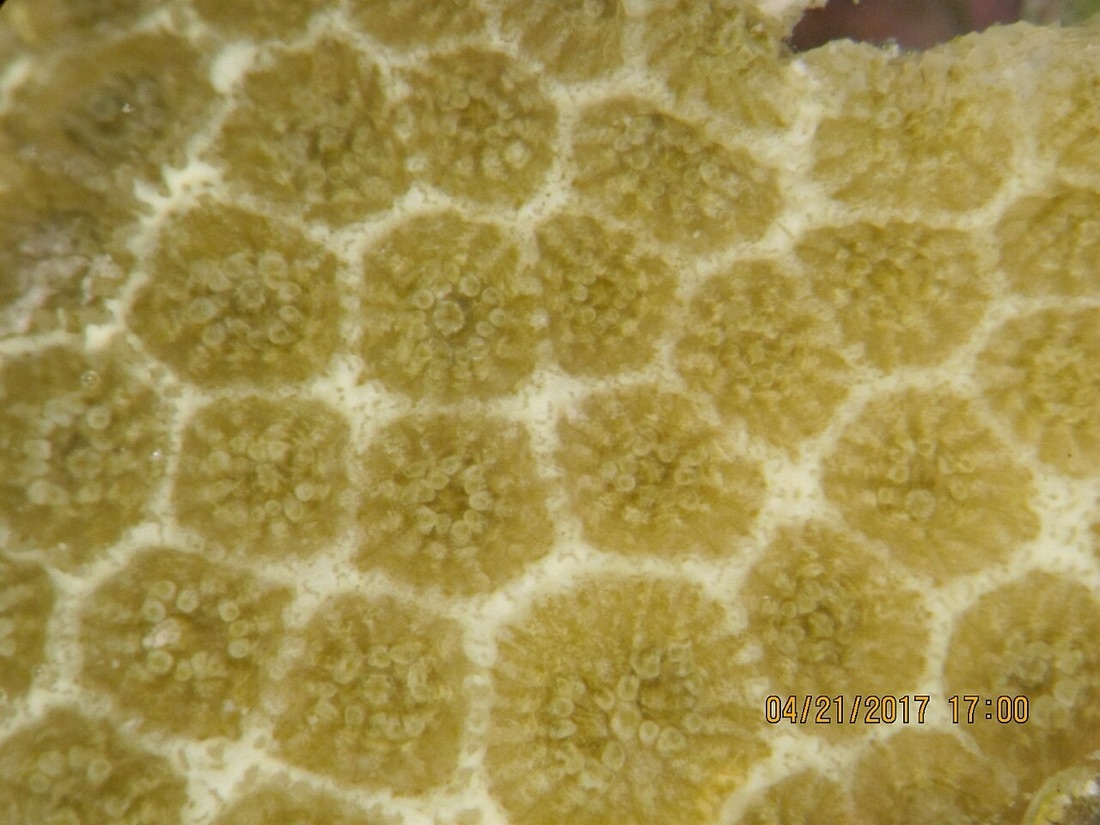
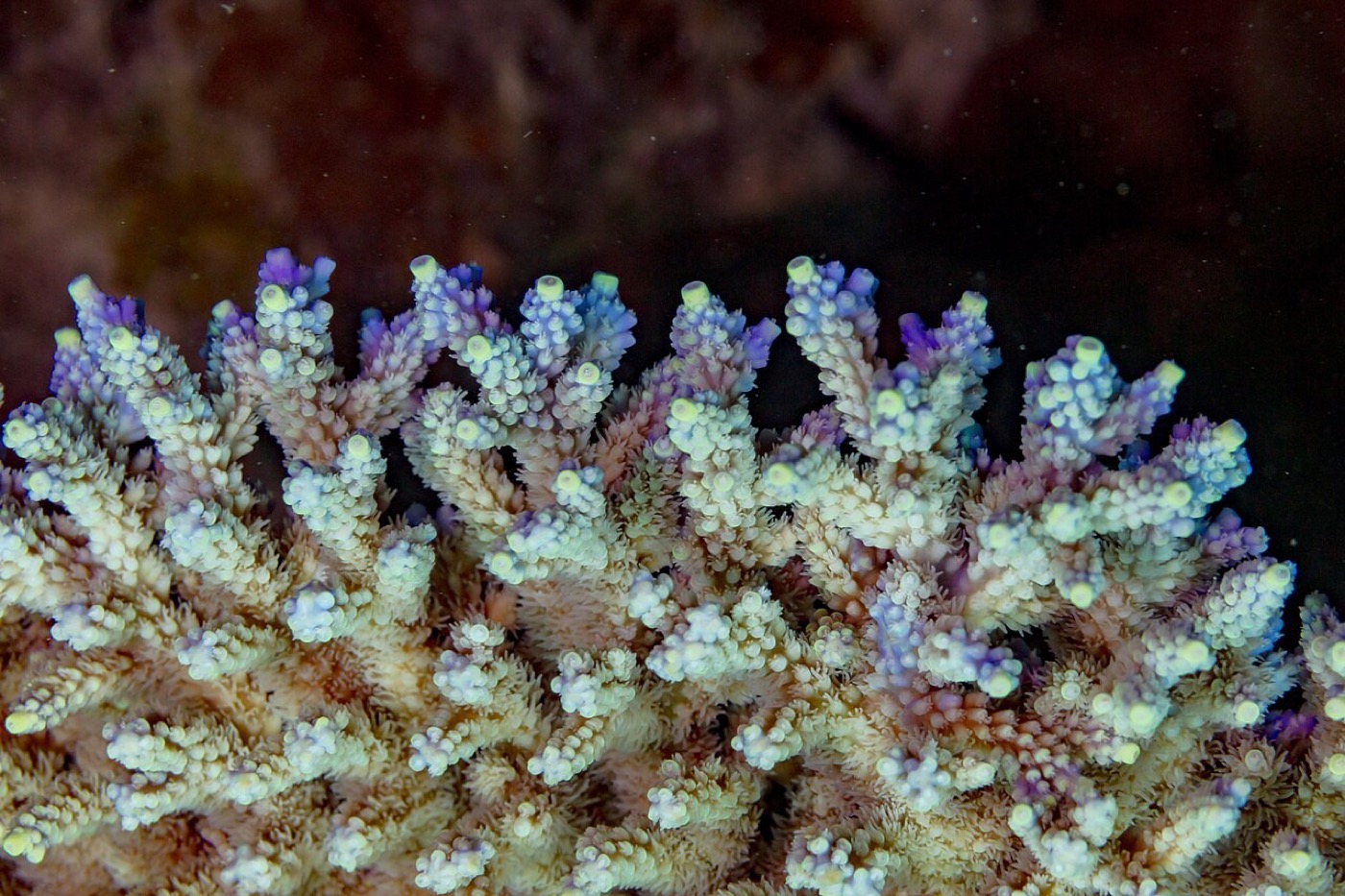
The surface of a living coral, up close. Every bump is one animal.
Words for this lab
pH measures how acidic water is. 7 is neutral. Below 7 is acidic. Above 7 is basic.
CO2 is carbon dioxide, the gas we breathe out and that burning fuel puts in the air.
ppm means parts per million: how many CO2 molecules in every million bits of air.
% lost = the mass lost ÷ the mass before × 100.
Will seawater dissolve chalk the way vinegar does?
Photo: Narrissa P Spies, CC BY-SA 4.0
BEFORE YOU START
What you will learn
I can run a fair test: one change, one measurement, the rest kept the same.
I can use real ocean data to explain how CO2 is changing seawater.
I can turn a question about reefs and climate into a testable question and test it in a model.
BEFORE YOU START
Get set up
1
Open mrsajdak.com/acidocean on your device.
2
Write your name, the date and your period on the worksheet.
3
Find the three tabs at the top of the lab. Each tab goes with one part of the worksheet.
4
Start on Tab 1. Do not skip ahead.

| Tab in the lab | Worksheet | Questions |
|---|---|---|
| 1. The chalk test | Part 1 | 1 to 6 |
| 2. The ocean near Hawaii | Part 2 | 7 to 11 |
| 3. Test a reef question | Part 3 and Wrap it up | 12 to 16 |
Screenshot: mrsajdak.com/acidocean
TAB 1 · QUESTIONS 1 TO 6
Part 1. The chalk test
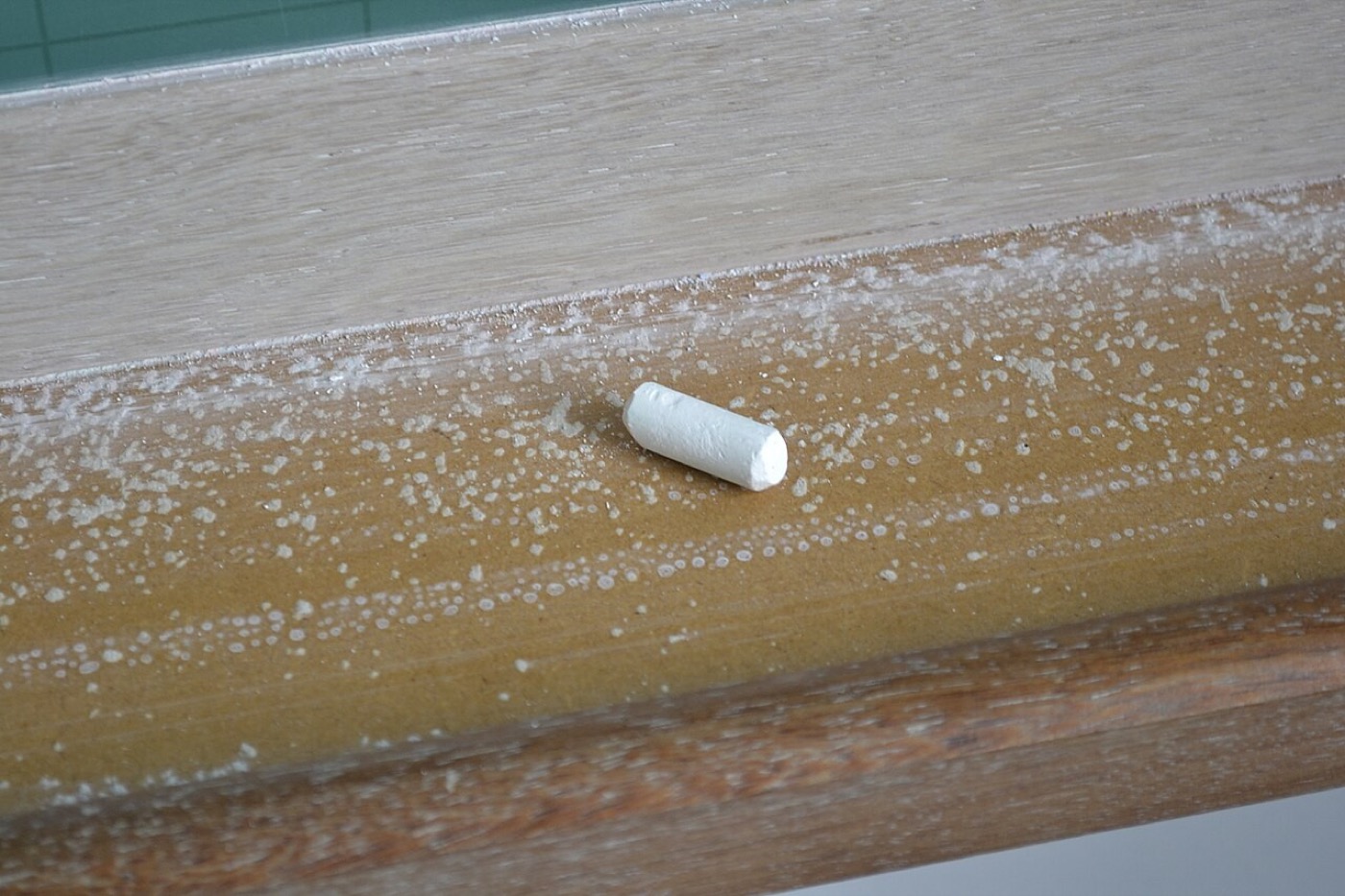
Chalk is calcium carbonate, like a coral skeleton.
You will soak it as a fair test, then try seawater.
Photo: Feen, CC BY-SA 3.0
PART 1 · TAB 1
Pick a question and soak
1
Press A, B, C or D.
2
Check the green box: only ONE thing changes.
3
Press Soak 10 minutes. Watch the bubbles.
4
Copy Your results into Question 2.
5
Then set one cup to Seawater and soak again.
PART 1 · QUESTIONS 2 AND 3
Read the balance
1
Find Your results in the lab.
2
Copy Before, After, Lost and % lost for each cup.
3
Write what is in each cup.
4
Find the cup that lost the most.
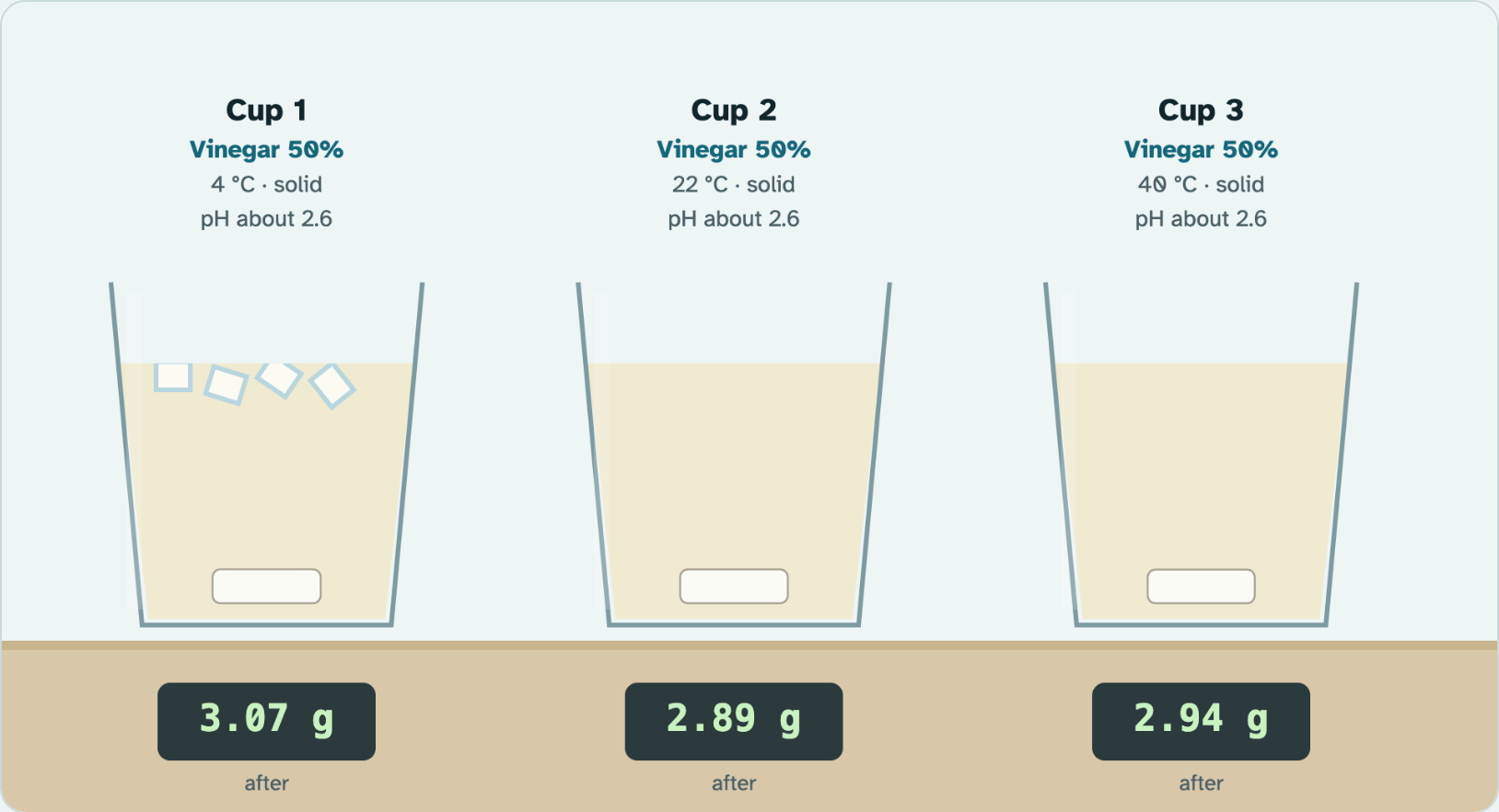
Example
Before 4.00 g. After 3.80 g.
Lost = 0.20 g.
0.20 ÷ 4.00 × 100
= 5% lost
These are not your numbers. Use your own.
The screenshot is half-strength vinegar at three temperatures. That set-up is not one of the four questions.
Screenshot: mrsajdak.com/acidocean, Tab 1
PART 1 · LEARN IT · 1 OF 4
Chalk and coral are the same stuff
A coral is an animal. Each one, a polyp, builds a hard skeleton under itself. The skeleton is calcium carbonate, the same mineral as chalk, eggshells and seashells. Old skeletons pile up for thousands of years. That pile is the reef.
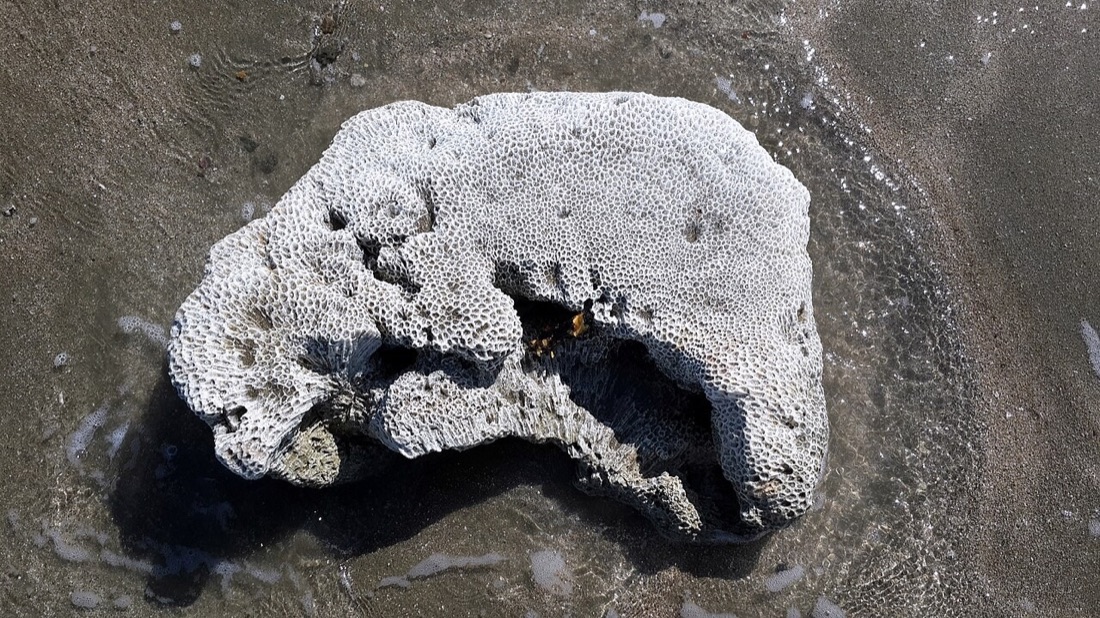
Photo: Muminur Rahman, CC BY-SA 4.0
PART 1 · LEARN IT · 2 OF 4
Acid takes it apart
An acid breaks calcium carbonate down. The bubbles are CO2 gas coming out of the chalk. So the chalk loses mass. Stronger acid, warmer acid and more surface (crushed chalk) all make it go faster.
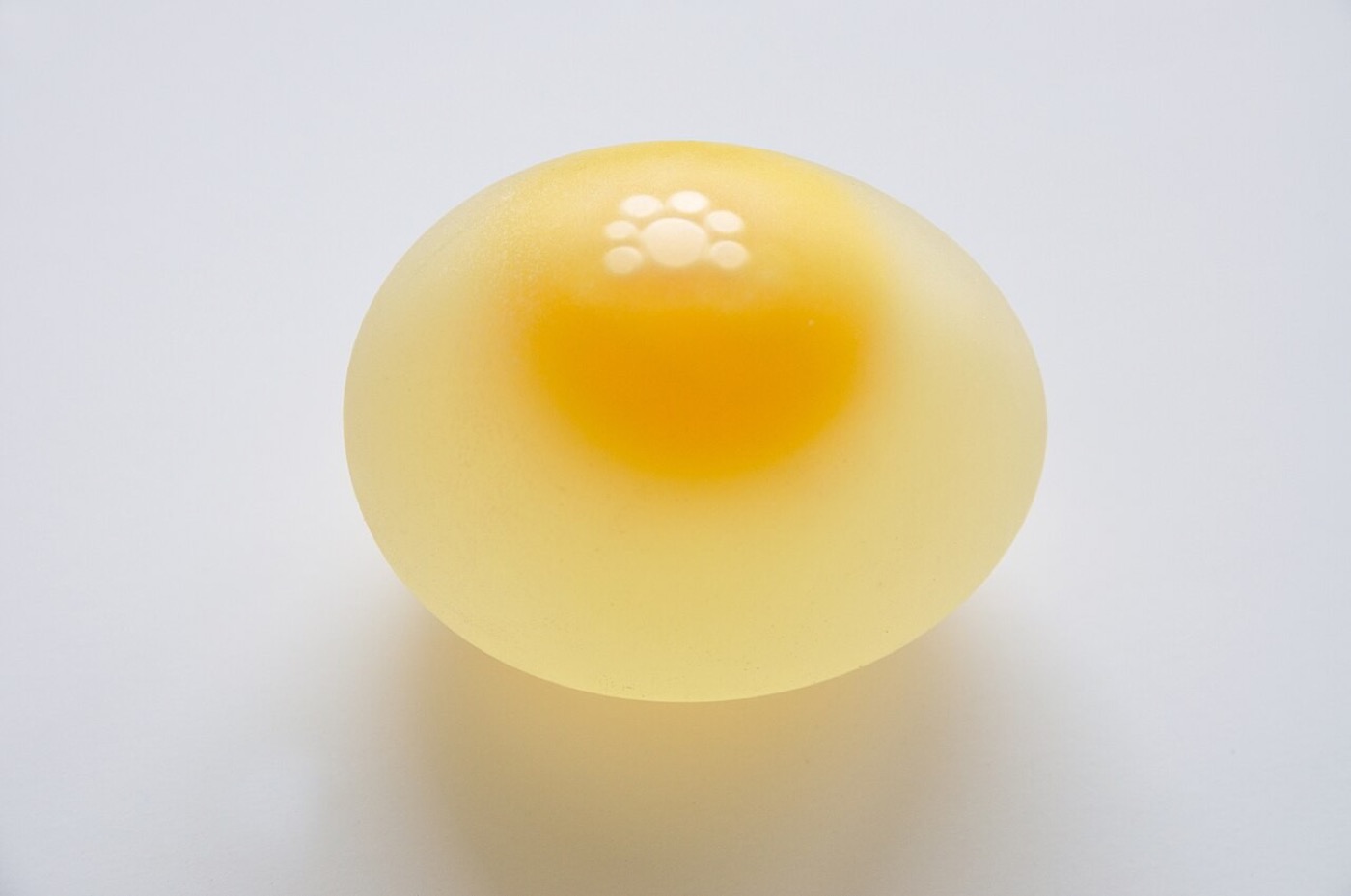
Photo: Biswarup Ganguly, CC BY 3.0
PART 1 · LEARN IT · 3 OF 4
A fair test
The one thing you change on purpose is the independent variable. What you measure, the % of mass lost, is the dependent variable. The cup with the normal condition is the control. Change only one thing.
Photo: Feen, CC BY-SA 3.0
PART 1 · LEARN IT · 4 OF 4
Seawater did almost nothing
Seawater is not an acid. Its pH is about 8.1, a little basic. It already holds plenty of carbonate, so chalk does not dissolve in it. So how could CO2 hurt a reef? Part 2 shows what is changing.
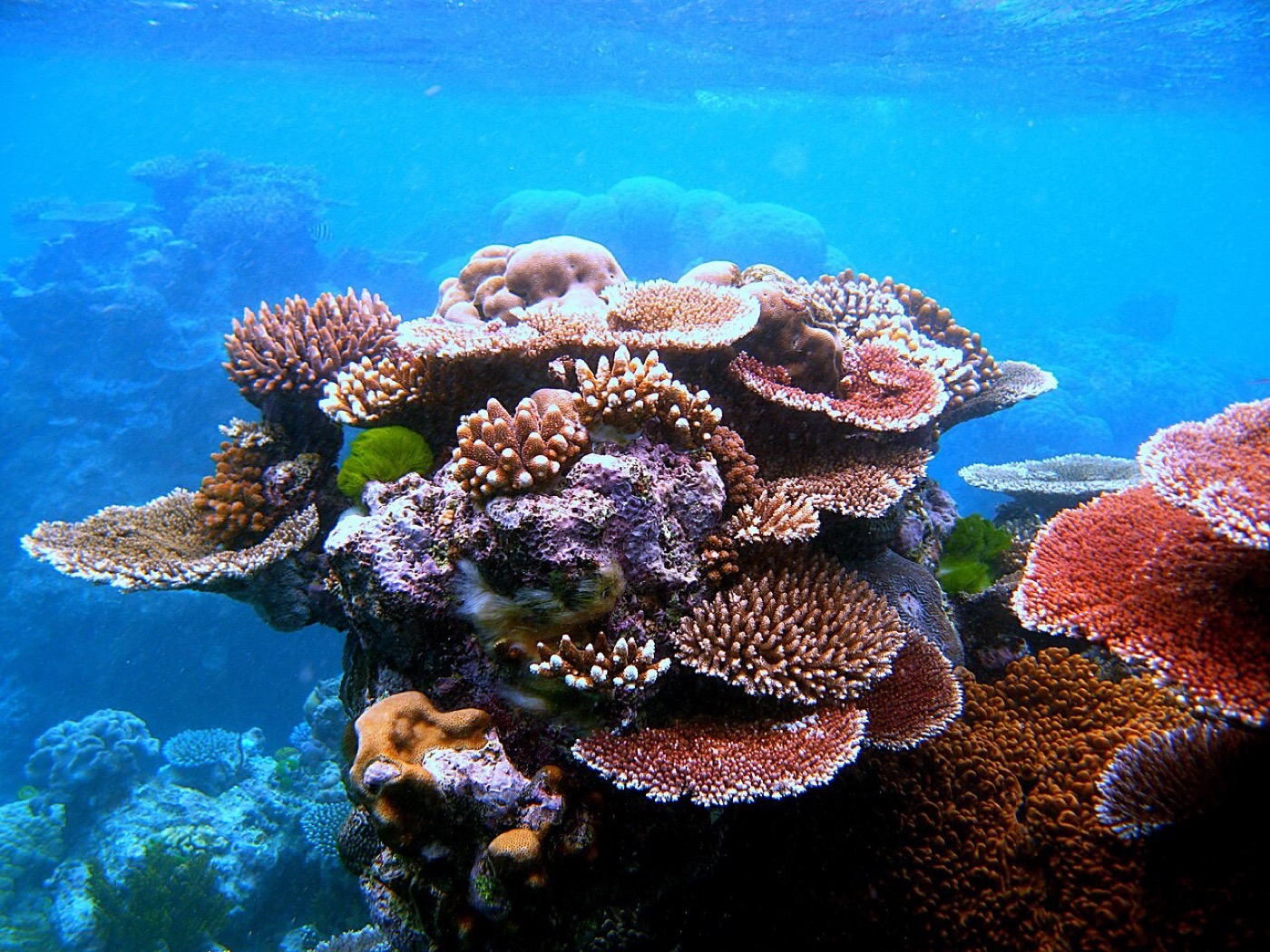
Photo: Toby Hudson, CC BY-SA 3.0
PART 1 · QUESTIONS 4 TO 6
Name your test, then fix one
QUESTION 4
IV · DV · C
Your own test
Name your independent variable, your dependent variable and your control cup.
Say why that cup is the control.
QUESTION 5
CO2
Why mass was lost
Name the gas in the bubbles.
Use calcium carbonate and acid to explain.
QUESTION 6
2 ≠ 1
Warm vinegar, cold seltzer
The warm vinegar cup lost more.
What is wrong with this test? How would you fix it?
TAB 2 · QUESTIONS 7 TO 11
Part 2. The ocean near Hawaii
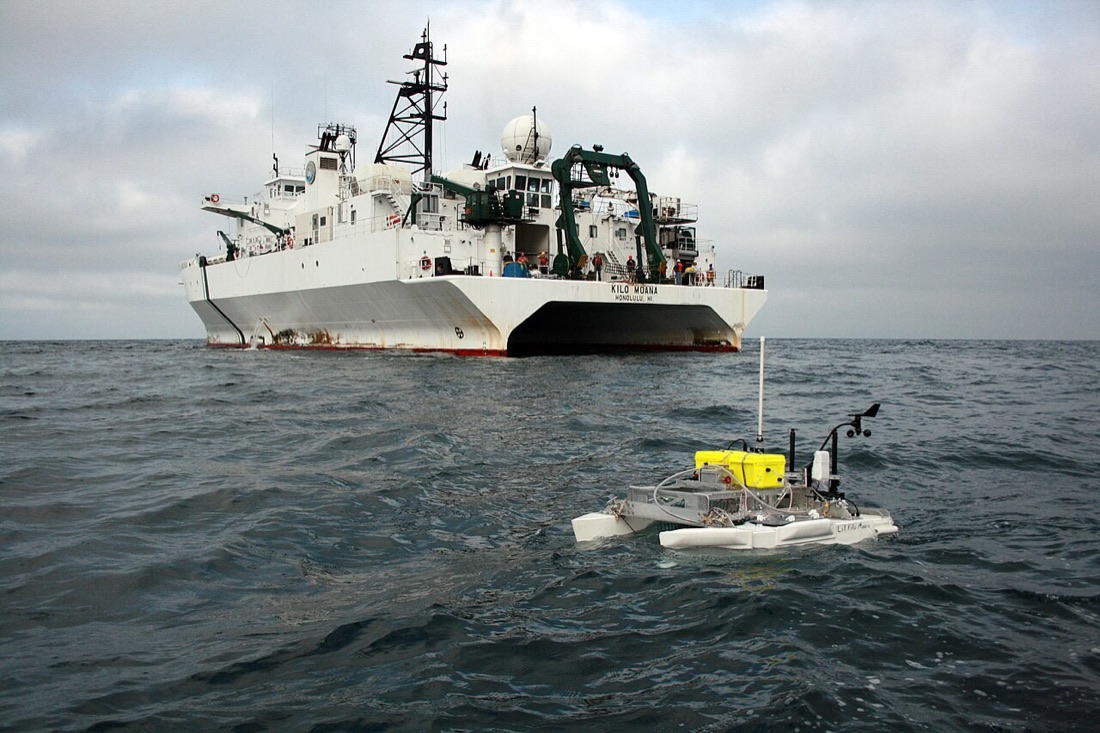
Scientists have bottled seawater near Hawaii since 1988.
You will read 35 years of their real numbers.
Photo: U.S. Navy, public domain
PART 2 · TAB 2
Record three years
1
Move the slider to 1990. Press Record this year.
2
Do the same for 2024.
3
Pick one more year of your own. Record it.
4
Click CO2, pH and Building material above the graph.
PART 2 · QUESTIONS 7 AND 8
Read the record
| CO2 in the air | Measured at Mauna Loa, Hawaii, in ppm. |
| CO2 in the seawater | How much CO2 the seawater holds, in µatm. It follows the air. |
| Seawater pH | Lower = more acidic. Above 7 is still basic. |
| Building material | How easy it is for coral to build skeleton. Higher is easier. |
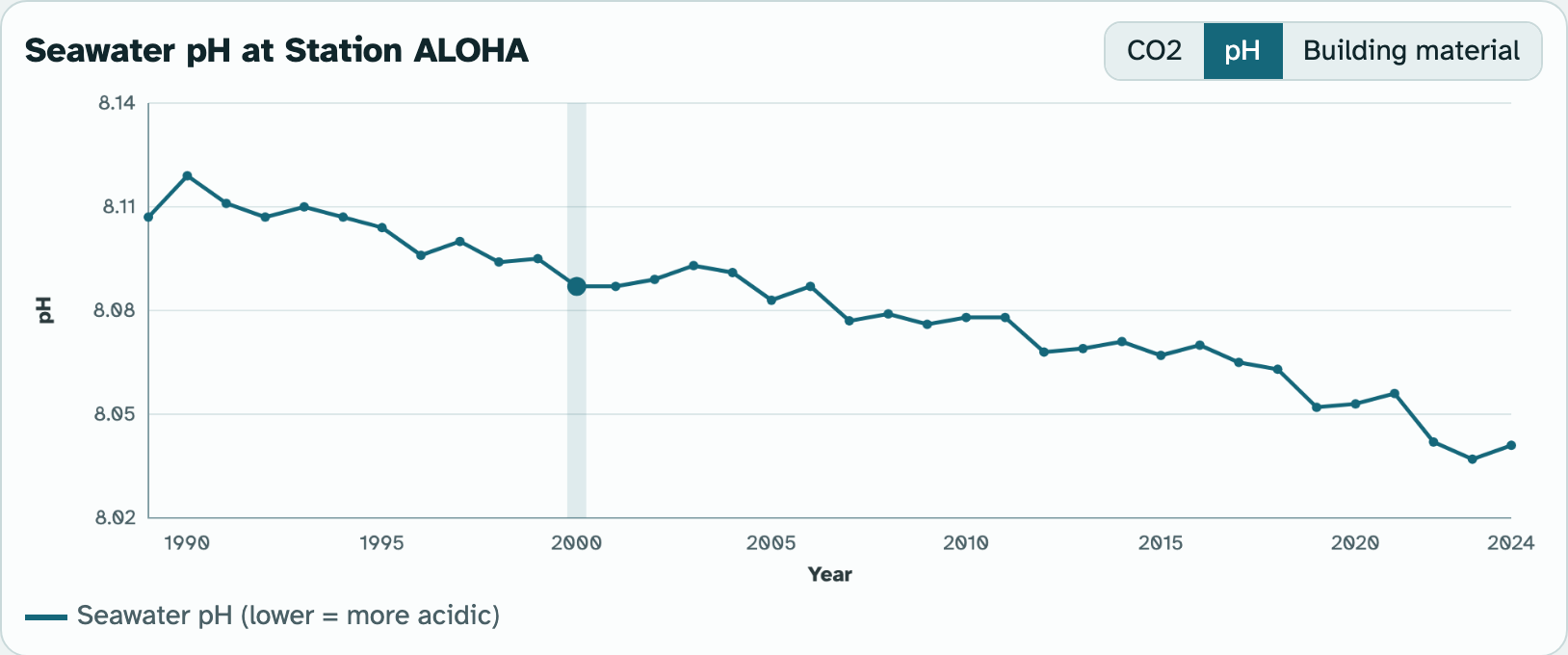
The screenshot marks 2000. That year is not on the worksheet.
Question 8: does the line fall every single year, or bounce and still go down?
Screenshot: mrsajdak.com/acidocean, Tab 2
PART 2 · LEARN IT · 1 OF 4
The ocean soaks up CO2
The ocean takes in about a third of the CO2 people put in the air. In water, CO2 makes a weak acid. So the seawater’s pH goes down. This is ocean acidification: seawater becoming more acidic as it soaks up CO2.
Photo: U.S. Navy, public domain
PART 2 · LEARN IT · 2 OF 4
Small numbers, big steps
Lower pH means more acidic. Each step on the pH scale is 10 times. From 8.12 in 1990 to 8.04 in 2024 made the water about 20% more acidic in 35 years. Seawater is still basic, above 7. Vinegar, at pH 2.5, is about 400,000 times more acidic.
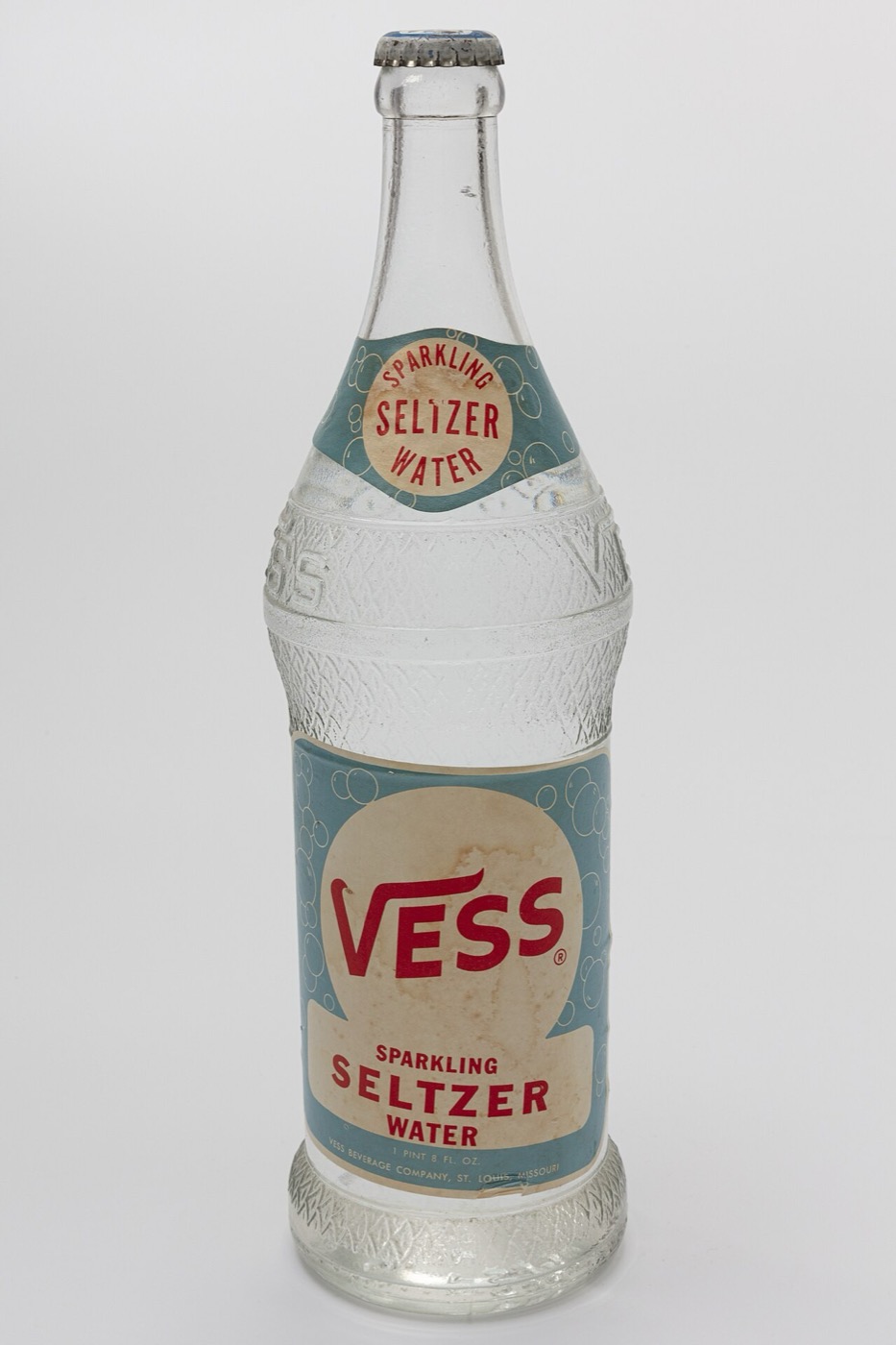
Photo: Vess Beverage Co, public domain
PART 2 · LEARN IT · 3 OF 4
Less building material
The acid uses up carbonate, the building block for skeletons and shells. The building material number tells how easy it is to build. Above 1, shells can form. Reefs grow best where it is about 3 or more. Near Hawaii it fell from 3.77 to 3.45.
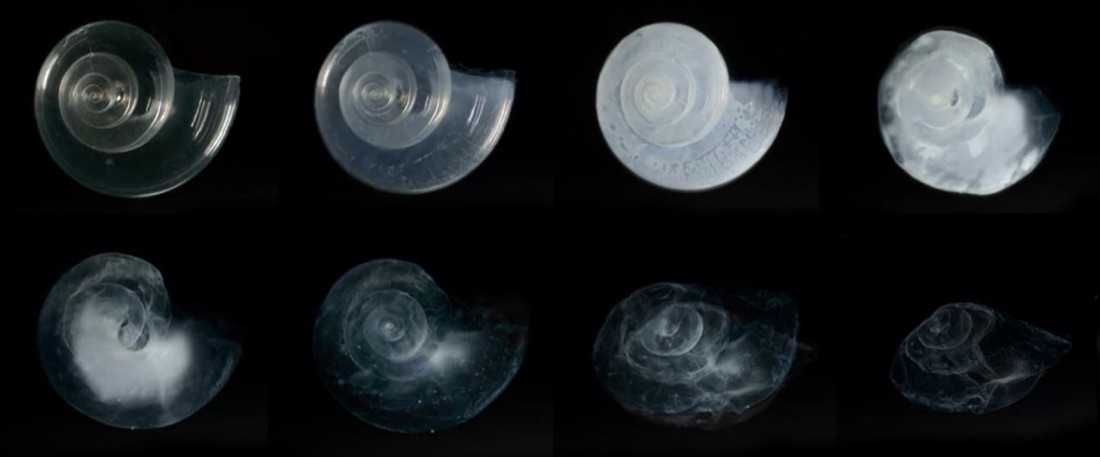
Photo: NOAA Environmental Visualization Laboratory, public domain
PART 2 · LEARN IT · 4 OF 4
Slow, steady, every year
The change from year to year is small, and some years bounce up. But the pattern over 35 years goes one way. The harm is not that reefs fizz away. It is that coral has to work harder to build, so it builds less.
Photo: Diego Delso, CC BY-SA 4.0
PART 2 · QUESTIONS 9 TO 11
Acid, but not vinegar
QUESTION 9
8.1 vs 2.5
Turning into vinegar?
How much more acidic did the seawater get?
Compare the pH of seawater and vinegar.
QUESTION 10
CO2 → ?
Step by step
How does more CO2 in the air make it harder for coral to build?
Use ocean acidification and carbonate.
QUESTION 11
0.00 g
The seawater cup
It lost almost nothing.
Does that prove CO2 cannot hurt coral? Use a number from Question 7.
TAB 3 · QUESTIONS 12 TO 16
Part 3. Test a reef question
Now you ask the question.
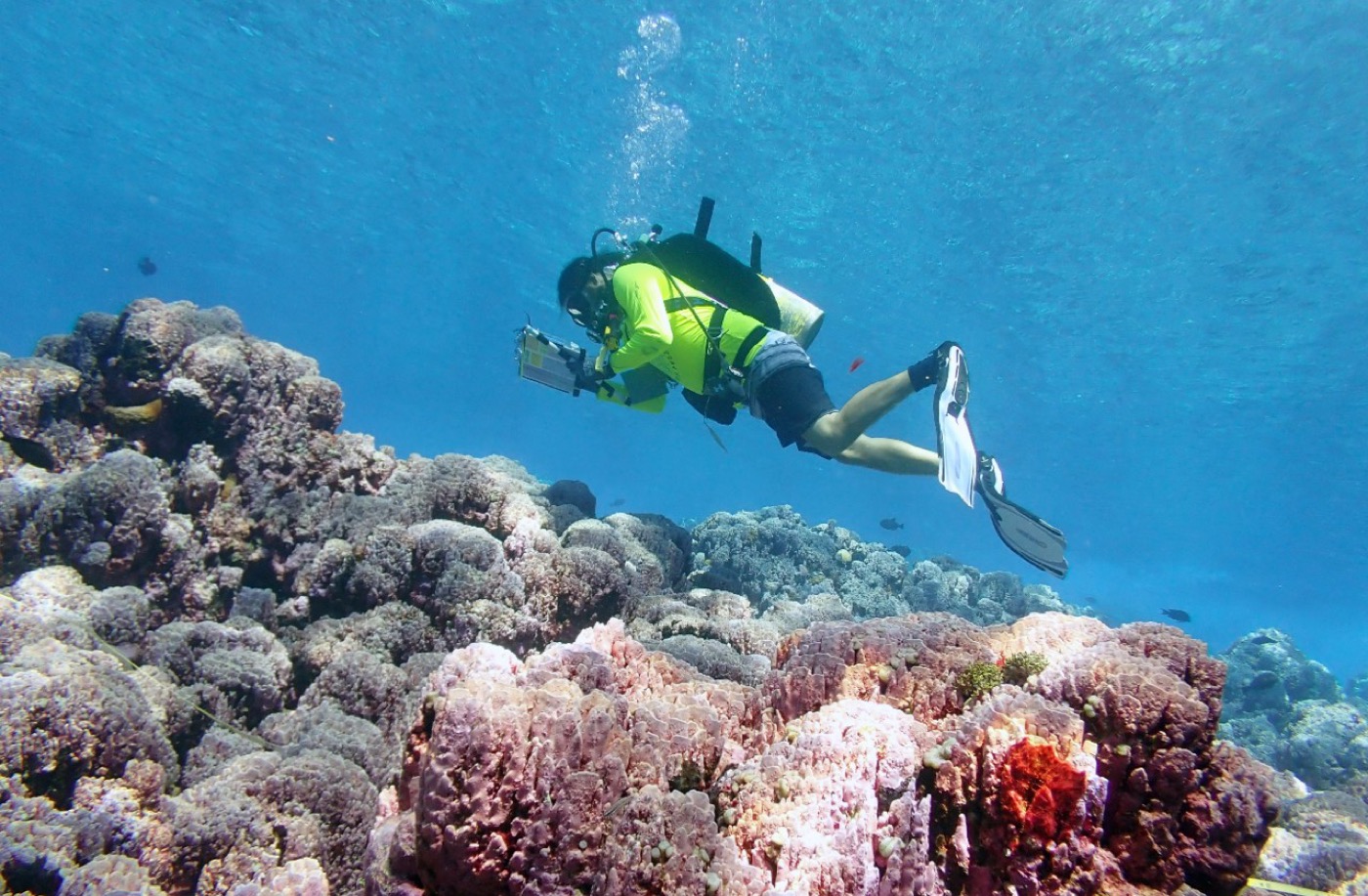
Build it, set up three coral tanks, and run them for one year.
Photo: NOAA Fisheries, Damaris Torres-Pulliza, public domain
PART 3 · QUESTION 12
Build a testable question
1
Pick a change in the first box.
2
Pick a measurement in the second box.
3
Pick where in the third box.
4
Is the box green? Then it is testable in this model.
5
Write your question on the worksheet.
PART 3 · QUESTION 13
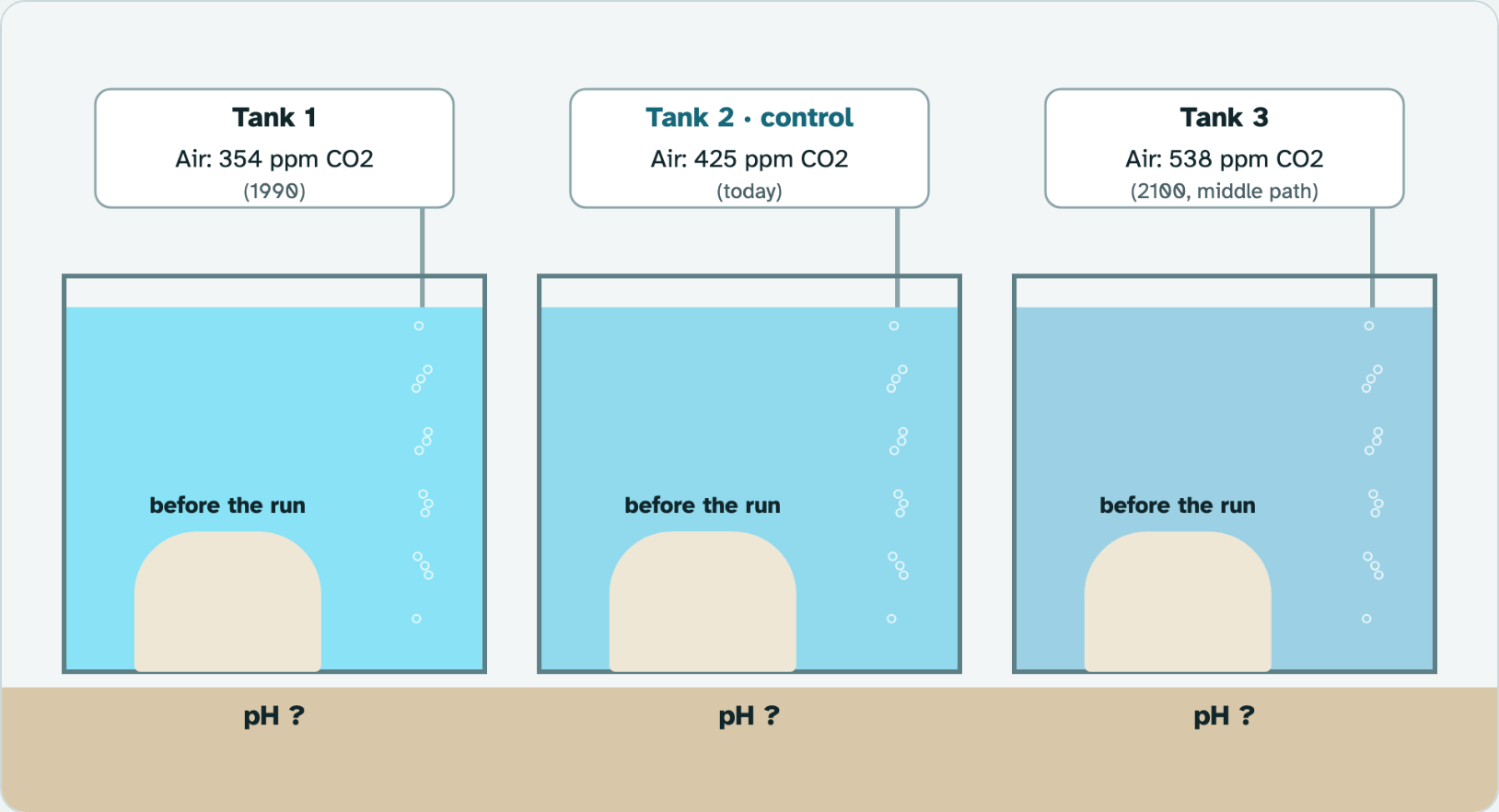
Set up three tanks
1
Pick a different air value for each tank.
2
Tick one tank as the control.
3
Press Run one year.
4
Copy Your tanks into Question 13.
5
Circle the control on your sheet.
Screenshot: mrsajdak.com/acidocean, Tab 3
PART 3 · LEARN IT · 1 OF 4
A testable question
A testable question changes ONE thing and names something you can MEASURE. Data can answer it. “Is the ocean bad for coral?” is not testable yet. “Does more CO2 in the air change how much skeleton a coral builds in a year?” is.
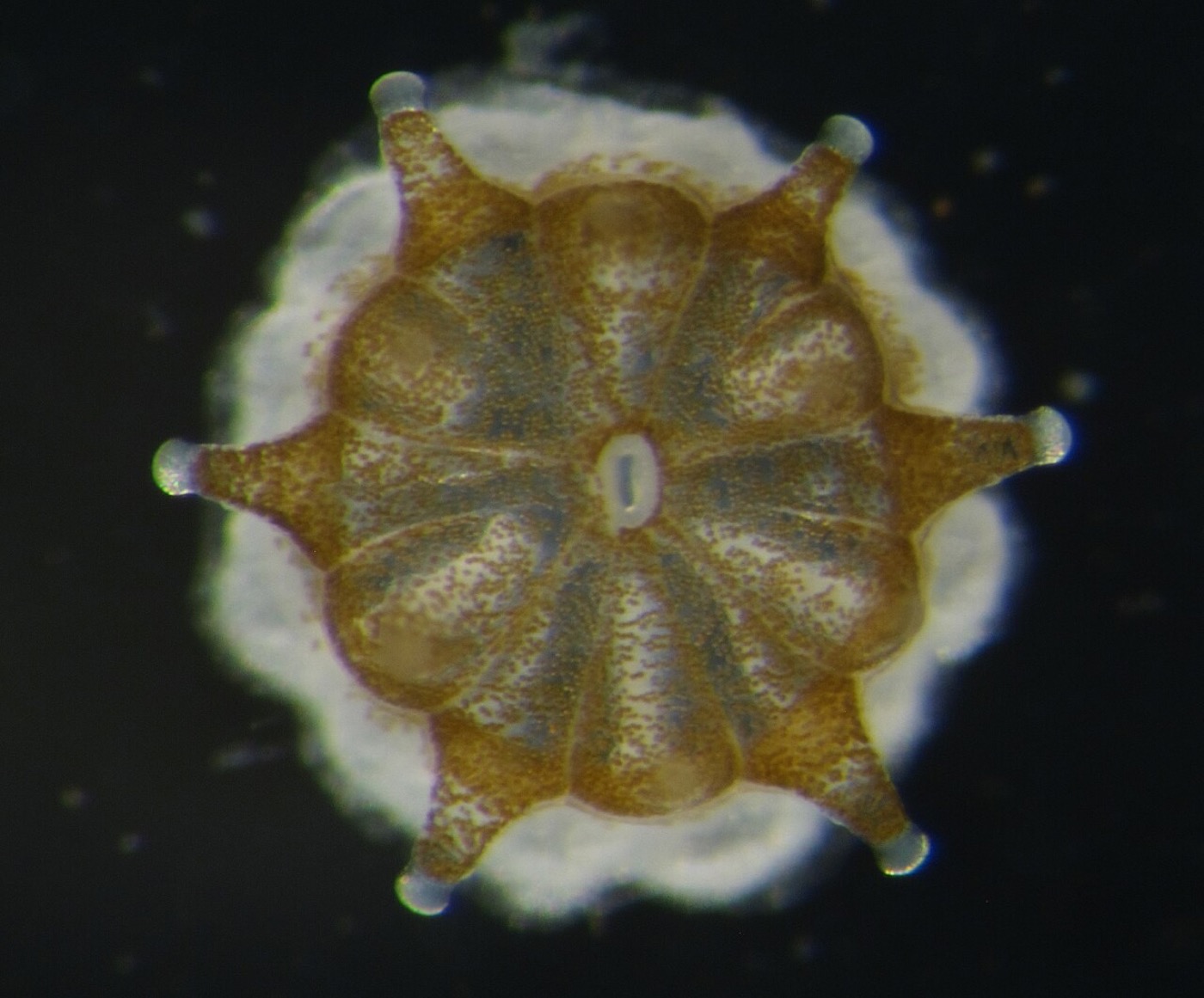
Photo: Narrissa Spies, CC BY-SA 4.0
PART 3 · LEARN IT · 2 OF 4
What this model does
Each tank’s water soaks up CO2 from its air until they match. The lab works out the pH and the building material with the same chemistry ocean scientists use. Then it uses a rule from many coral lab tests: about 15% less skeleton for each 1 the building material drops.
Photo: Muminur Rahman, CC BY-SA 4.0
PART 3 · LEARN IT · 3 OF 4
A real reef
At One Tree Reef, scientists added CO2 to the water flowing over a living reef. The reef built about 34% less skeleton than with normal water (Albright and others, 2018). That is more than this model says. Models leave things out: heat, light, food, and a whole reef full of living things.
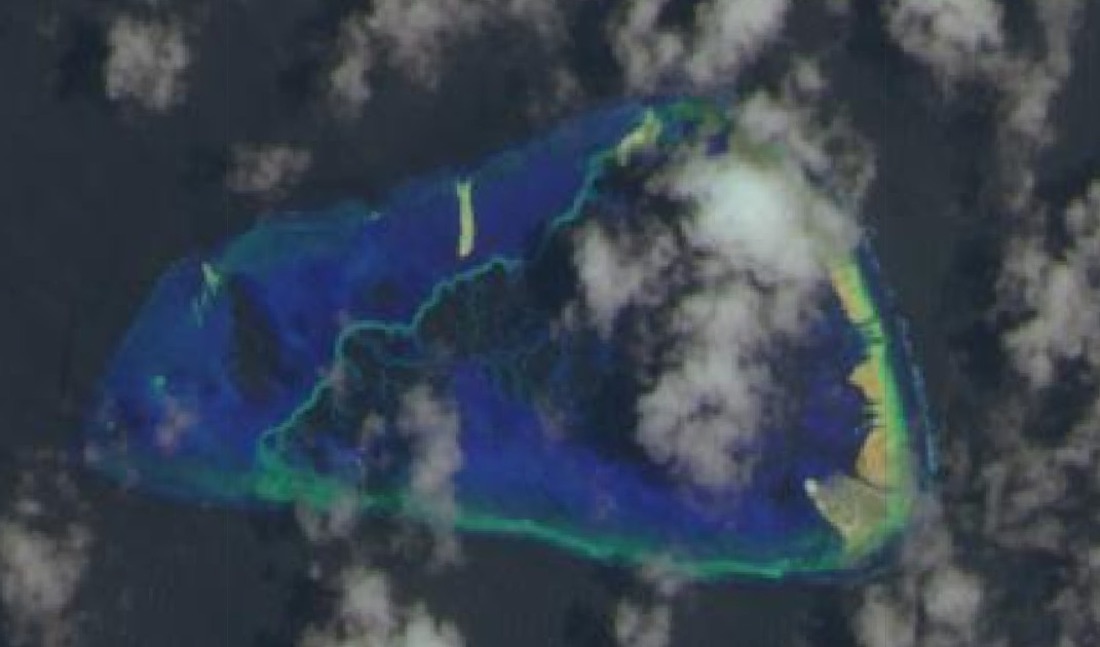
Image: European Space Agency (Sentinel-2), CC BY-SA 3.0 IGO
PART 3 · LEARN IT · 4 OF 4
Slow and small still adds up
Waves, storms and animals wear a reef down every day. A reef stays only if its corals build faster than it breaks. If coral builds less, year after year, the reef can start to shrink.
Photo: Toby Hudson, CC BY-SA 3.0
PART 3 · QUESTIONS 14 AND 15
Check the model
QUESTION 14
Air · Coral
What stands for what?
What does the air above the tank stand for?
What does the coral in the tank stand for?
Name one thing the model leaves out.
QUESTION 15
936 ppm
Model or real reef?
How much less does the model coral build at 936 ppm?
The real reef built about 34% less.
Why could a real reef lose more?
WRAP IT UP · QUESTION 16
Is CO2 harmless to reefs?
The claim
“The chalk in seawater lost nothing, so the CO2 in the air is harmless to reefs.”
From Part 2
Pick one number. The pH or the building material in 1990 and 2024 work well.
From Part 3
Pick one number from your tanks.
Reasoning
Argue against the claim. Why does a slow, small change still matter?
The pteropod shell over 45 days, in water as acidic as the ocean could be by 2100.
Photo: NOAA Environmental Visualization Laboratory, public domain
WRAP IT UP · BACK TO THE START
Revisiting the Phenomenon
Can a more acidic ocean hurt a coral reef?
1Using evidence from today, explain how CO2 in the air changes the water a coral lives in.
2Seawater did not dissolve your chalk. So how can a more acidic ocean still hurt a reef?
3What did your prediction at the start say? What would you change now?
4Which numbers from your worksheet best support your answer?
The shell at the start.
45 days later, in water as acidic as the ocean could be by 2100.
Photos: NOAA Environmental Visualization Laboratory, public domain
LAST CHECK
Before you hand it in
Name, date and period are on top.
All three tables are full.
Your question in Question 12 has one change and one measurement.
Every claim uses numbers from your own tables.
Photo: Diego Delso, CC BY-SA 4.0